
Stress is an unavoidable part of life. From workplace pressure and family responsibilities to financial worries and unexpected setbacks, everyone experiences stress at some point. While short-term stress can motivate you to act, chronic stress can negatively affect your physical health, mental well-being, sleep quality, and relationships.
The good news is that effective stress management can help you regain control. By learning healthy coping strategies, you can calm your nervous system, reduce anxiety, and improve resilience over time.
In this guide, we’ll explore 18 effective stress relief strategies that can help you feel calmer, think more clearly, and manage daily pressure more effectively.
Why Stress Management Matters
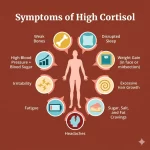
Stress triggers your body’s fight-or-flight response, releasing hormones like cortisol and adrenaline. In small doses, this response can be useful. However, when stress becomes chronic, elevated stress hormones may contribute to:
- Anxiety and irritability
- Sleep problems
- Headaches and muscle tension
- Digestive issues
- High blood pressure
- Weakened immunity
- Burnout and emotional exhaustion
Developing healthy stress relief habits can help interrupt this cycle before stress begins damaging your long-term health.
Physical Stress Relief Strategies
1. Take a Walk
Walking is one of the fastest and simplest ways to reduce stress. Physical movement helps lower cortisol levels while boosting endorphins—your body’s natural mood enhancers.
A short 10–15 minute walk can:
- Clear mental fog
- Improve mood
- Reduce tension
- Break negative thought loops
Walking outdoors may provide additional calming effects through fresh air and exposure to nature.
2. Exercise Regularly
Exercise is one of the most evidence-backed ways to manage stress.
Benefits include:
- Lower cortisol levels
- Improved mood and focus
- Better sleep
- Reduced anxiety symptoms
Effective options include:
- Strength training
- Running
- Cycling
- Swimming
- Dance workouts
Consistency matters more than intensity.
3. Practice Yoga
Yoga combines movement, breathwork, and mindfulness—making it highly effective for both physical and emotional stress relief.
Regular yoga may:
- Reduce muscle tension
- Improve flexibility
- Calm the nervous system
- Enhance emotional regulation
4. Use Progressive Muscle Relaxation
This technique involves tensing and then relaxing muscle groups one at a time.
It helps:
- Release physical tension
- Improve body awareness
- Reduce anxiety-related tightness
Start at your forehead and work down to your toes.
Mindfulness and Mental Relaxation Techniques
5. Practice Deep Breathing
Deep breathing activates the parasympathetic nervous system, which helps your body relax.
Try this simple breathing exercise:
- Inhale through your nose for 4 seconds
- Hold for 4 seconds
- Exhale slowly for 6 seconds
Repeat for 2–5 minutes.
6. Meditate Daily
Meditation trains your brain to focus on the present moment rather than spiraling into worry.
Benefits include:
- Lower anxiety
- Better emotional regulation
- Reduced stress hormone activity
- Improved concentration
Even 5–10 minutes per day can help.
7. Use Guided Imagery
Guided imagery involves mentally visualizing a calming environment.
Examples:
- A quiet beach
- A peaceful forest
- A cozy cabin in the mountains
This technique can reduce mental overwhelm quickly.
8. Practice Gratitude
Focusing on what is going well in your life can shift your attention away from chronic worry.
Try writing down:
- 3 things you’re grateful for each day
- 1 recent success
- 1 person you appreciate
Gratitude practices are associated with lower perceived stress and improved emotional resilience.
Lifestyle-Based Stress Relief Habits
9. Prioritize Sleep Quality
Poor sleep increases emotional reactivity and makes stress harder to manage.
To improve sleep:
- Keep a consistent bedtime
- Avoid screens before bed
- Limit caffeine late in the day
- Keep your bedroom cool and dark
10. Eat a Balanced Diet
Nutrition influences mood, energy, and stress resilience.
Stress-supportive foods include:
- Leafy greens
- Eggs
- Nuts and seeds
- Fatty fish
- Whole grains
- Avocados
Avoid excessive sugar and processed foods, which may worsen mood swings.
11. Stay Hydrated
Even mild dehydration can affect mood and concentration.
Drink water consistently throughout the day to support:
- Cognitive function
- Energy levels
- Stress tolerance
12. Limit Caffeine and Alcohol
Too much caffeine can:
- Increase anxiety
- Raise heart rate
- Worsen sleep
Alcohol may temporarily relax you but often worsens stress and sleep quality later.
Emotional and Behavioral Coping Strategies
13. Use Positive Self-Talk
The way you speak to yourself affects how stressful situations feel.
Replace thoughts like:
- “I can’t handle this”
With:
- “This is difficult, but I can manage it step by step.”
Positive self-talk helps reduce emotional escalation.
14. Engage in Creative Activities
Creative hobbies can provide mental relief and emotional expression.
Examples:
- Drawing
- Painting
- Journaling
- Music
- Crafting
Creative flow states can significantly reduce stress perception.
15. Spend Time With Supportive People
Social support is a major protective factor against stress.
Talking to trusted people can:
- Help process emotions
- Provide perspective
- Reduce feelings of isolation
Even brief positive interactions can improve mood.
16. Seek Physical Affection
Physical touch—such as hugs—may trigger oxytocin release, promoting calmness and emotional connection.
If appropriate and welcome, physical affection can be a simple stress reducer.
Problem-Focused Stress Reduction
17. Reassess Your To-Do List
Sometimes stress is caused by overload, not mindset.
Ask yourself:
- What can be postponed?
- What can be delegated?
- What is unnecessary?
Reducing overcommitment may immediately lower stress.
18. Remove Unnecessary Stressors
Not all stress needs to be tolerated.
Consider cutting back on:
- Doomscrolling / excessive news
- Toxic relationships
- Overpacked schedules
- Excessive social obligations
- Constant digital notifications
Sometimes stress relief comes from subtraction, not addition.
Short-Term vs. Long-Term Stress Relief Strategies
Fast-Acting Stress Relief Techniques
These help during acute stress:
- Deep breathing
- Walking
- Guided imagery
- Stretching
- Music
Long-Term Stress Management Habits
These build resilience:
- Exercise
- Meditation
- Healthy eating
- Sleep hygiene
- Therapy
The most effective stress management plans include both.
When to Seek Professional Help for Stress
Occasional stress is normal. But if stress becomes overwhelming or persistent, professional support may help.
Consider talking to a mental health professional if stress is:
- Affecting sleep regularly
- Interfering with work or relationships
- Causing panic attacks
- Leading to depression or hopelessness
- Feeling unmanageable despite self-help efforts
Final Thoughts
Stress is part of life, but suffering from chronic overwhelm doesn’t have to be. The best stress relief strategies are the ones you can use consistently and adapt to different situations.
Start small. Choose one or two techniques from this list and practice them regularly. Over time, even simple habits can create major improvements in how you respond to stress.
Building resilience is not about eliminating stress entirely—it’s about learning how to recover from it more effectively.
FAQ About Stress Relief Strategies
What is the fastest way to relieve stress?
Deep breathing, taking a short walk, and guided imagery are among the fastest methods for immediate stress reduction.
Which stress relief strategy is most effective long term?
Regular exercise, meditation, healthy sleep habits, and therapy tend to offer the strongest long-term benefits.
Can diet affect stress levels?
Yes. Poor nutrition can worsen mood instability and energy crashes, while balanced meals support stress resilience.