
Quitting smoking is one of the best things you can do for your health—but that doesn’t mean it’s easy. Nicotine addiction affects both the body and the mind, making smoking much more than a simple habit. For many people, cigarettes become tied to stress relief, daily routines, social interactions, and emotional coping.
The good news is that millions of people have successfully quit, and with the right strategy, support, and mindset, you can too.
This in-depth guide explains why quitting smoking is so difficult, how to create an effective quit plan, what withdrawal symptoms to expect, and the most practical strategies for staying smoke-free long term.
Smoking cravings occur because nicotine stimulates dopamine release in the brain. Over time, the brain becomes dependent on this chemical reward, so when nicotine intake stops, the brain signals withdrawal through cravings, irritability, and restlessness.

Why Is Quitting Smoking So Hard?
Smoking addiction involves two separate but connected challenges: physical nicotine dependence and psychological habit formation.
Physical Nicotine Addiction
Nicotine rapidly reaches the brain after inhalation and stimulates dopamine release, creating temporary pleasure, focus, and stress relief. Over time, the brain adapts and begins depending on nicotine to maintain normal mood and concentration.
When nicotine levels drop, withdrawal symptoms begin.
Psychological and Behavioral Dependence
Smoking often becomes associated with routines and emotions, such as:
- Drinking coffee
- Driving
- Taking work breaks
- Socializing with smokers
- Feeling stressed or anxious
- Coping with sadness or boredom
To quit successfully, most people need to address both the chemical addiction and the habits built around smoking.
How Long Does It Take for the Brain to Recover From Nicotine Addiction?
While nicotine leaves the bloodstream within a day, neurological recovery takes significantly longer.
Repeated nicotine exposure alters brain reward pathways by changing dopamine receptor sensitivity and reinforcing habitual behavioral loops.
After quitting:
- Physical withdrawal usually peaks within 2–3 days
- Acute symptoms improve over several weeks
- Brain reward pathways may take months to recalibrate
- Habitual triggers can persist even longer
This is why many people continue experiencing occasional cravings long after physical withdrawal ends.
Step 1: Build a Personal Quit Smoking Plan
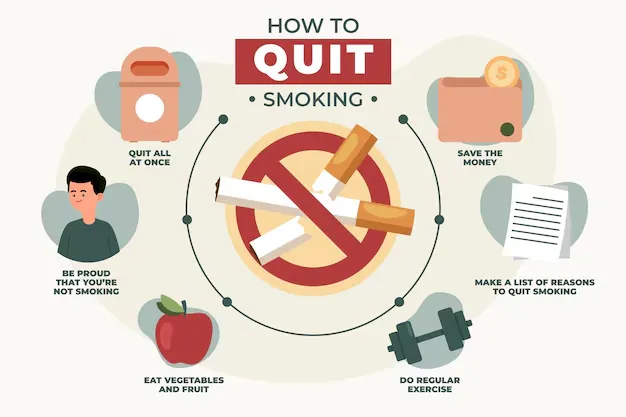
Some people quit “cold turkey,” but many do better with a structured strategy.
A personalized quit plan helps you prepare for:
- Nicotine withdrawal
- Emotional triggers
- Behavioral routines
- High-risk relapse situations
Ask Yourself Key Questions Before You Quit
Understanding your smoking patterns can help you choose the most effective quitting approach.
Consider:
- How many cigarettes do you smoke per day?
- Are you a heavy daily smoker or mostly a social smoker?
- Which situations trigger cravings?
- Do you smoke more when stressed, anxious, or upset?
- Is smoking tied to coffee, alcohol, or meals?
- Have previous quit attempts failed because of certain triggers?
Step 2: Use the START Method to Prepare
A simple framework for planning your quit attempt is START:
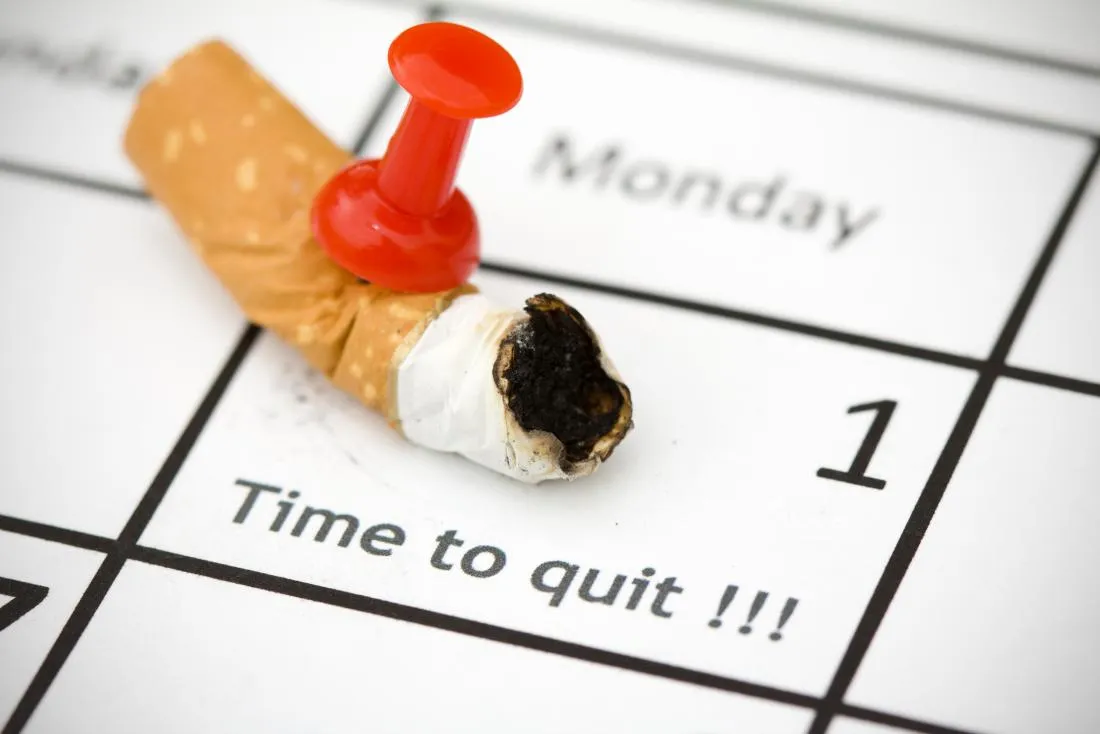
S — Set a Quit Date
Choose a realistic quit date within the next two weeks.
This gives you time to prepare without losing motivation.
Tips:
- Avoid highly stressful periods if possible
- If work is a trigger, consider quitting before a weekend
- Mark the date clearly on your calendar
T — Tell People You’re Quitting
Social accountability can improve success rates.
Tell:
- Family
- Friends
- Coworkers
- Support groups
Let them know:
- You may be irritable temporarily
- You’ll need encouragement
- You may need help avoiding triggers
A — Anticipate Challenges
Most relapses occur within the first three months.
Plan for:
- Withdrawal symptoms
- Stressful events
- Social pressure
- Emotional triggers
- Sudden cravings
R — Remove Smoking Cues
Clear your environment of reminders.
Throw away:
- Cigarettes
- Lighters
- Ashtrays
- Matches
- Vape devices (if relevant)
Also:
- Wash smoke-scented clothes
- Clean your car
- Freshen furniture and living spaces
T — Talk to a Healthcare Professional
Medical support can increase quit success.
A doctor may recommend:
- Nicotine replacement therapy (NRT)
- Prescription medications
- Behavioral counseling
- Combination therapy
Step 3: Identify Your Smoking Triggers
Knowing what prompts cravings allows you to prepare alternatives.
Common Trigger Categories
Emotional Triggers
Smoking to cope with:
- Stress
- Anxiety
- Depression
- Frustration
- Loneliness
- Boredom
Situational Triggers
Smoking linked to specific routines:
- Morning coffee
- After meals
- Driving
- Breaks at work
- Phone calls
Social Triggers
Smoking around:
- Friends who smoke
- Parties
- Bars
- Work colleagues
Keep a Craving Journal
Before quitting, track your smoking for several days.
Write down:
- Time of craving
- Situation/location
- Mood/emotion
- Who you were with
- Craving intensity (1–10)
- What happened after smoking
Patterns often emerge quickly.
Step 4: Learn How to Manage Nicotine Withdrawal
Withdrawal symptoms begin quickly after your last cigarette.
Common Symptoms Include
- Strong cravings
- Irritability
- Anxiety
- Mood swings
- Difficulty concentrating
- Fatigue
- Restlessness
- Increased appetite
- Trouble sleeping
- Headaches
- Coughing
- Mild depression
When Withdrawal Peaks
Typical timeline:
- Begins: within hours
- Peaks: 2–3 days
- Improves: over 2–4 weeks
- Psychological urges may persist longer
Withdrawal is uncomfortable, but temporary.
Step 5: Use Proven Strategies to Beat Cravings
Most cravings last only 5–10 minutes.
The goal is not to eliminate every craving instantly—it is to ride them out without smoking.
Distract Yourself Immediately
When cravings hit:
- Take a walk
- Call a friend
- Do household chores
- Play a game
- Watch a video
- Work on a task
Use Oral Substitutes
Replace the hand-to-mouth ritual with:
- Sugar-free gum
- Toothpicks
- Straws
- Carrot sticks
- Celery
- Sunflower seeds
- Mints
Practice Deep Breathing
Many smokers associate cigarettes with calming breaths.
Try:
- Inhale slowly for 4 seconds
- Hold for 4 seconds
- Exhale for 6 seconds
- Repeat 5 times
Change Your Environment
Leave triggering settings when possible.
Examples:
- Step outside for air
- Move away from smokers
- Leave the room
- Visit smoke-free public places
Step 6: Replace Smoking With Healthier Coping Mechanisms
If smoking helped regulate your emotions, you’ll need alternative coping tools.
Healthier replacements include:
- Exercise
- Meditation
- Journaling
- Breathing exercises
- Listening to music
- Talking to someone
- Therapy or counseling
Quitting is easier when you solve the underlying stress-management problem—not just the smoking itself.
Step 7: Prevent Weight Gain Without Returning to Smoking
Weight gain is a common concern after quitting.
Reasons include:
- Appetite increases without nicotine
- Taste and smell improve
- Some people replace smoking with snacking
Ways to Minimize Weight Gain
- Stay physically active
- Drink water regularly
- Keep healthy snacks available
- Avoid mindless eating
- Practice mindful eating
- Manage stress without food
Even if minor weight gain occurs, the health risks are far lower than continuing to smoke.
Step 8: Consider Smoking Cessation Aids
Many people benefit from medical or therapeutic support.
Nicotine Replacement Therapy (NRT)
Provides controlled nicotine doses without cigarette toxins.
Forms include:
- Patches
- Gum
- Lozenges
- Inhalers
- Nasal sprays
Prescription Medications
Doctors may prescribe medications such as:
- Bupropion
- Varenicline
These may reduce cravings and withdrawal severity.
Behavioral Therapy
Therapy can help by:
- Identifying smoking patterns
- Addressing emotional triggers
- Building coping skills
- Preventing relapse
Step 9: Know What to Do If You Slip
Relapse is common and does not mean failure.
Many successful quitters attempt multiple times before quitting permanently.
If You Smoke Again:
- Do not label yourself a failure
- Identify what triggered the slip
- Adjust your quit plan
- Restart immediately
A lapse becomes a relapse only if you abandon the process.
Step 10: Stay Focused on Your Reasons for Quitting
When motivation drops, remind yourself why you started.
Common reasons include:
- Better health
- Lower cancer risk
- Protecting family from secondhand smoke
- Saving money
- Improved breathing and stamina
- Better appearance and skin
- Greater self-control
Keep these reasons visible:
- On your phone
- On sticky notes
- In your wallet
- In your quit journal
What Is the Hardest Day When Quitting Smoking?
For many people, the most difficult period is between days two and three after quitting, when nicotine withdrawal symptoms peak.
How Many Times Do People Usually Try Before Quitting Successfully?
Many former smokers attempt to quit multiple times before succeeding permanently. Relapse is common and considered part of the quitting process for many people.
Is It Better to Quit Smoking Gradually or All at Once?
Both approaches can work. Some people succeed with abrupt cessation, while others benefit from gradual reduction or nicotine replacement therapy.
Can Exercise Help Reduce Cigarette Cravings?
Yes. Even short bouts of physical activity may reduce craving intensity and improve mood during withdrawal.