
Hormones regulate nearly every major function in your body—from metabolism and mood to sleep, skin health, and reproductive function. When hormone levels become too high or too low, even slightly, the effects can show up in many unexpected ways.
Because hormonal imbalance symptoms often overlap with stress, aging, or lifestyle issues, they’re easy to overlook. However, persistent symptoms may signal that your hormones need attention.
In this article, we’ll cover the 9 most common hormonal imbalance symptoms, possible causes, and what you can do to support healthier hormone balance.
What Is a Hormonal Imbalance?
A hormonal imbalance occurs when the body produces too much or too little of one or more hormones. Since hormones act as chemical messengers throughout the body, even minor fluctuations can affect multiple systems at once.
Hormonal imbalances may result from:
- Puberty
- Pregnancy or postpartum changes
- Perimenopause and menopause
- Thyroid disorders
- Polycystic ovary syndrome (PCOS)
- Chronic stress
- Certain medications
- Underlying endocrine disorders
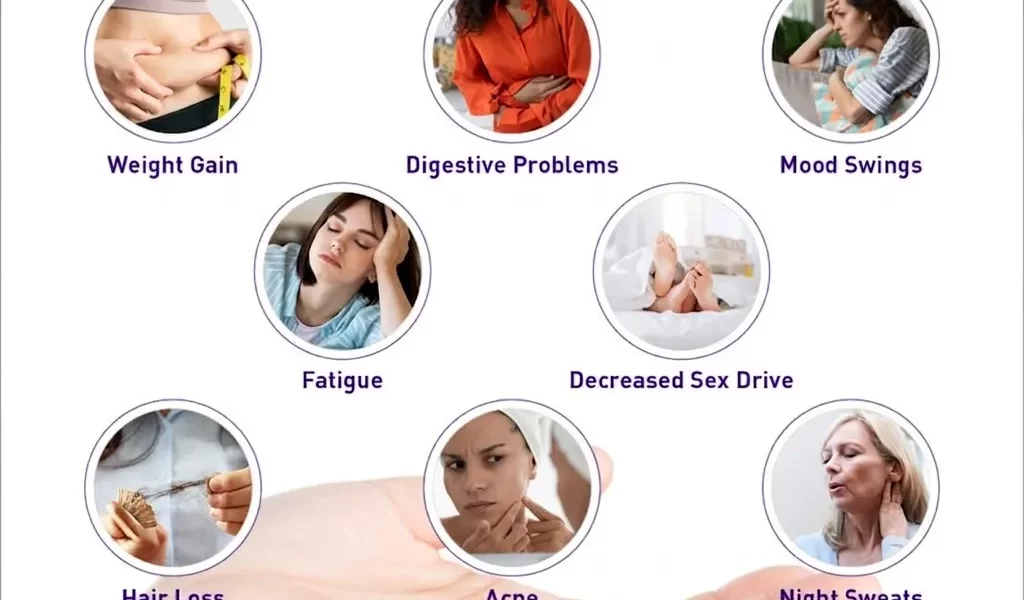
1. Irregular or Abnormal Menstrual Cycles
Changes in your menstrual cycle are one of the most common signs of hormonal imbalance.
Possible symptoms include:
- Irregular periods
- Heavy bleeding
- Spotting between periods
- Missed periods
These changes may be linked to:
- PCOS
- Thyroid dysfunction
- Perimenopause
- Primary ovarian insufficiency
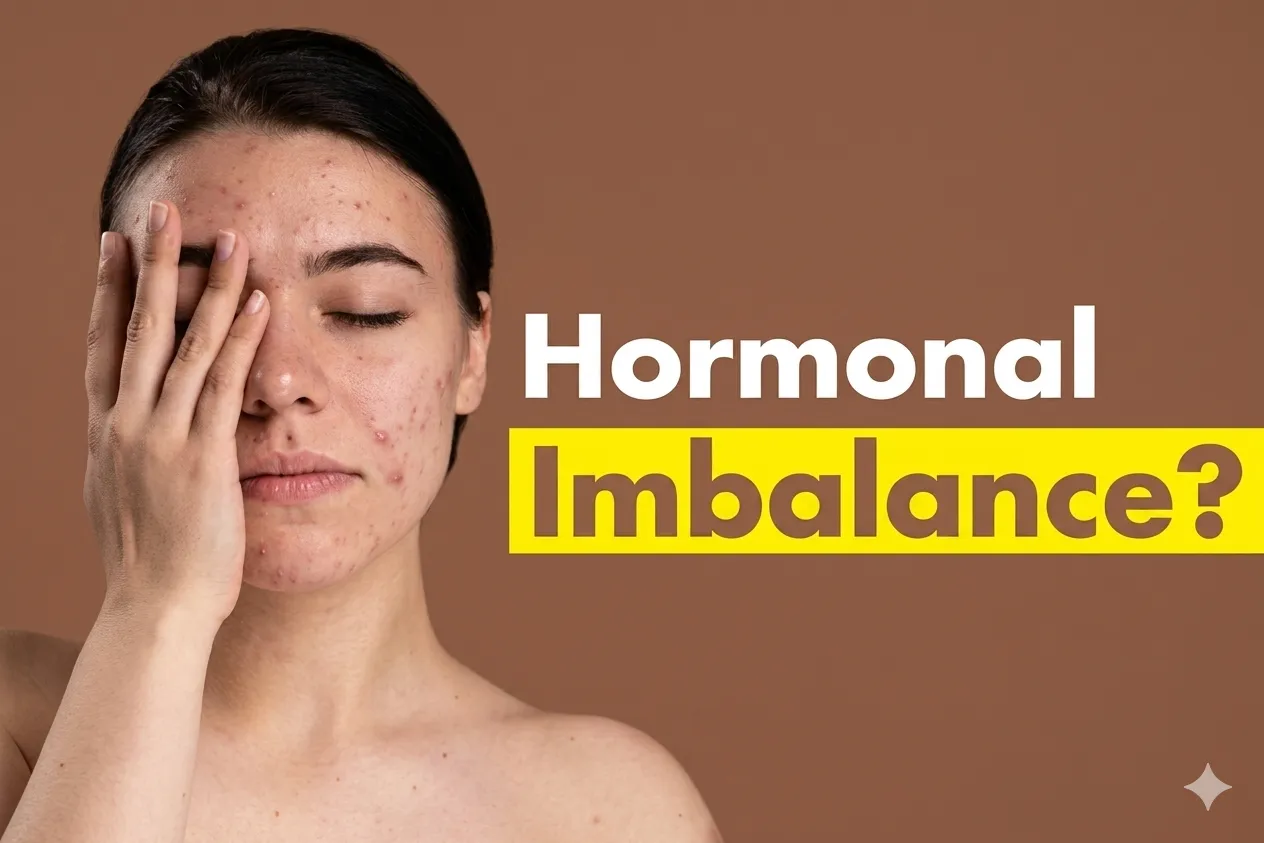
2. Persistent Acne or Skin Changes
Hormonal fluctuations can significantly affect the skin.
Common hormone-related skin symptoms include:
- Adult acne or hormonal breakouts
- Oily skin
- Dry or thinning skin
- Sensitive or irritated skin
- Slow wound healing
Acne along the jawline and chin is especially common in hormone-related breakouts.
3. Digestive Issues
Hormones can influence gut motility and digestive function.
Hormonal imbalance may contribute to:
- Bloating
- Constipation
- Diarrhea
- Abdominal discomfort
Many people notice digestive symptoms worsen around hormonal shifts, especially during the menstrual cycle.
4. Mood Swings, Anxiety, or Depression
Hormones play a major role in regulating neurotransmitters that affect mood.
Imbalances may cause:
- Irritability
- Anxiety
- Nervousness
- Sadness
- Emotional instability
Fluctuating estrogen, progesterone, thyroid hormones, or cortisol can all impact mental health.
5. Unexplained Weight Gain or Weight Loss
Hormones strongly influence metabolism, appetite, and fat storage.
Hormonal issues can lead to:
- Weight gain despite no major diet changes
- Difficulty losing weight
- Unexplained weight loss
Potential causes include thyroid disorders, insulin resistance, menopause, or elevated cortisol.
6. Hair Thinning or Excess Hair Growth
Changes in hormone levels can affect the hair growth cycle.
Signs include:
- Hair thinning
- Increased shedding
- Receding hairline
- Excess facial/body hair growth
Excess androgen levels are often associated with unwanted facial hair and scalp hair thinning.
7. Sleep Problems and Insomnia
Hormonal imbalances can disrupt healthy sleep patterns.
Common symptoms include:
- Difficulty falling asleep
- Frequent waking during the night
- Night sweats
- Hot flashes
- Poor sleep quality
Sleep issues can also worsen hormonal imbalance, creating a negative cycle.
8. Low Libido or Sexual Dysfunction
Reduced sexual desire may be related to hormone fluctuations.
Symptoms can include:
- Low libido
- Vaginal dryness
- Pain during intercourse
- Erectile dysfunction
Sex hormones such as estrogen, progesterone, and testosterone all influence sexual function.
9. Fertility Problems
Hormones are essential for ovulation, sperm production, and reproductive health.
Hormonal imbalance may contribute to:
- Difficulty conceiving
- Irregular ovulation
- Infertility
- Low sperm count
If conception has been difficult despite regular attempts, hormone testing may be warranted.
How Hormonal Imbalance Is Diagnosed
Because symptoms can overlap with many other conditions, proper testing is essential.
Healthcare providers may use:
- Hormone blood tests
- Thyroid function testing
- Reproductive hormone panels
- Medical history review
- Physical examination
Diagnosis depends on identifying the underlying cause—not just the symptoms.
How to Support Hormonal Balance Naturally
While treatment depends on the cause, healthy lifestyle habits can support hormone regulation.
Helpful strategies include:
- Eating a nutrient-dense, balanced diet
- Prioritizing protein and healthy fats
- Exercising regularly
- Managing chronic stress
- Sleeping 7–9 hours per night
- Maintaining a healthy body weight
- Limiting alcohol and processed foods
Final Thoughts
Hormonal imbalances can affect far more than just reproductive health—they influence your mood, metabolism, skin, digestion, sleep, and energy levels. If you’ve been experiencing persistent symptoms like irregular periods, unexplained weight changes, acne, fatigue, or low libido, your hormones may be playing a role.
The key is not to ignore these signals. Early evaluation and proper diagnosis can help identify the root cause and guide the right treatment plan.
When your hormones are balanced, your body functions better—and you feel better.