Anti-Inflammatory Diet: What You Need to Know for Better Health and Heart Protection

Inflammation is often talked about as something harmful, but in reality, it is one of the body’s most important defense mechanisms. Without inflammation, your immune system would not be able to respond properly to infections, injuries, or harmful invaders. However, when inflammation remains active for too long, it can shift from being protective to destructive.
Chronic inflammation is now recognized as a major contributor to many long-term health problems, including heart disease, type 2 diabetes, autoimmune disorders, and metabolic syndrome. Because of this, more people are exploring whether an anti-inflammatory diet can help improve their health and reduce disease risk.
Although no single food can eliminate inflammation overnight, research suggests that long-term dietary patterns play a significant role in influencing inflammatory processes throughout the body. The foods you eat regularly may either help calm inflammation or contribute to keeping it active.
In this guide, we’ll break down exactly what inflammation is, how it affects your health, which foods may help reduce it, and how to build a sustainable anti-inflammatory eating pattern.
Understanding Inflammation: Why It Happens
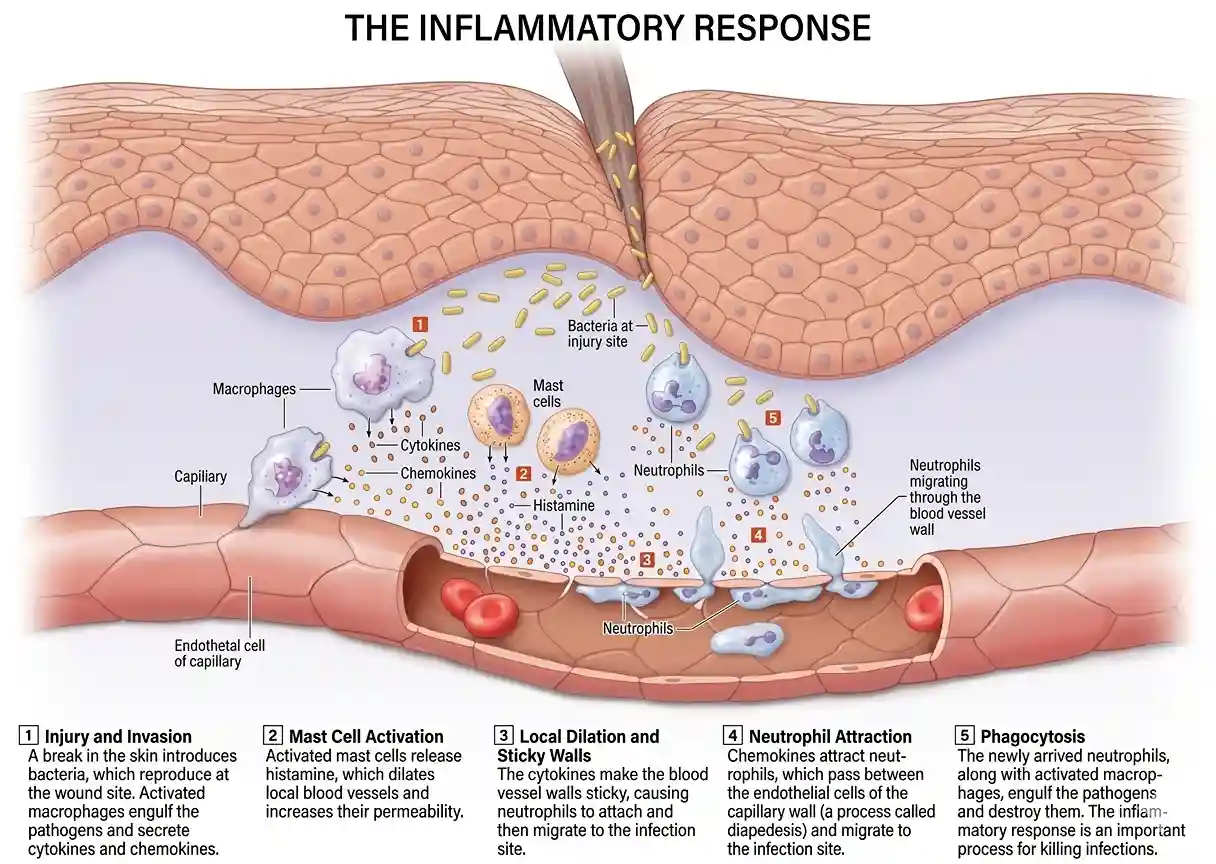
Inflammation is your body’s natural immune response to physical harm, infection, toxins, or other threats.
When your body detects injury or danger, your immune system sends inflammatory cells and signaling chemicals to the affected area. This causes increased blood flow, swelling, redness, warmth, and sometimes pain—all part of the healing process.
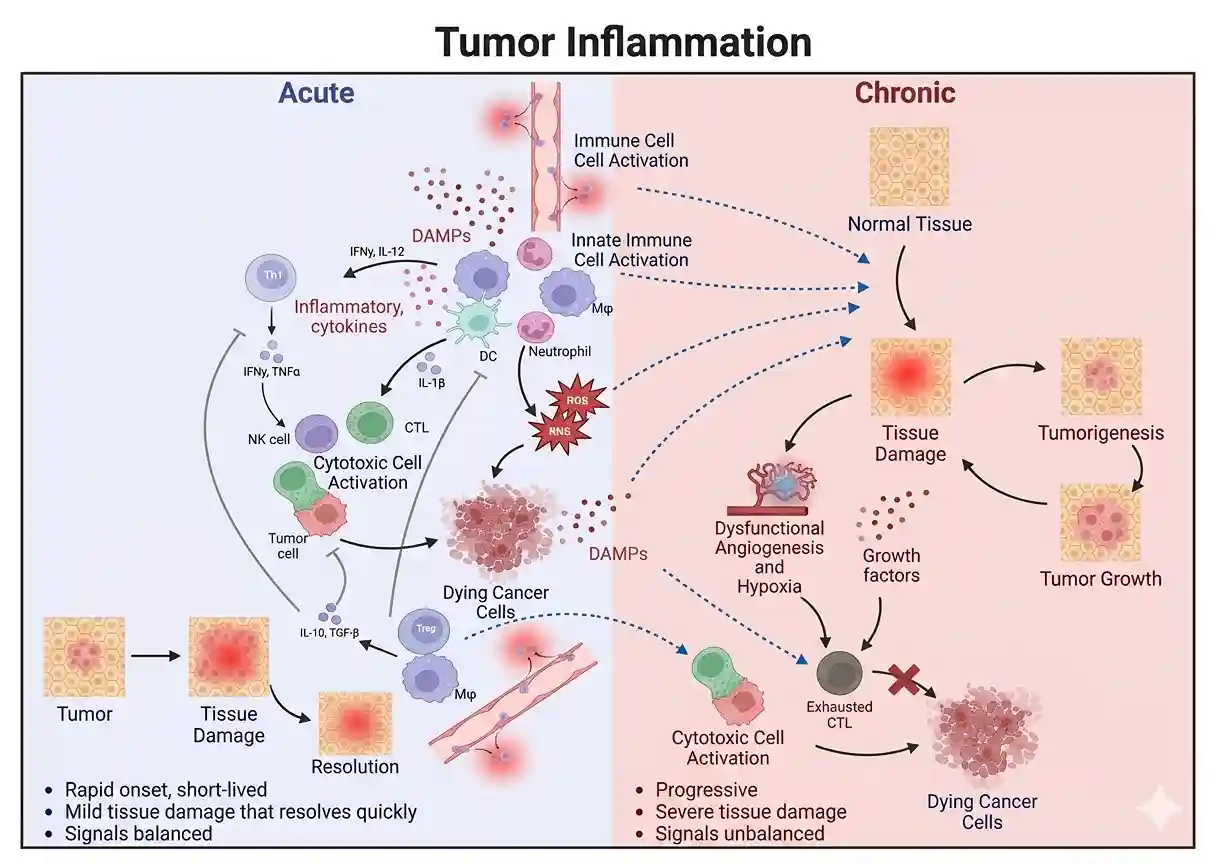
Acute Inflammation
Acute inflammation is temporary and beneficial. It helps your body repair damage after:
- Cuts or burns
- Infections
- Sprains or injuries
- Exposure to harmful substances
This response typically resolves within a few days once healing is complete.
Chronic Inflammation
Chronic inflammation develops when the immune system remains activated even when there is no immediate threat. Over time, inflammatory chemicals continue circulating through the body and may begin damaging healthy tissues.
Persistent inflammation may be triggered by:
- Smoking
- Obesity
- Long-term stress
- Poor sleep
- Sedentary lifestyle
- Autoimmune disorders
- Persistent infections
- Diets high in processed foods
Because chronic inflammation often occurs silently, many people may not realize it is affecting their health until complications develop.
Why Chronic Inflammation Is Dangerous
Long-term inflammation has been linked to the development and progression of many chronic diseases.
Cardiovascular Disease
Inflammation contributes to atherosclerosis, a condition in which plaque builds up inside arteries.
As inflammation damages blood vessel walls:
- Cholesterol and fatty substances accumulate more easily
- Plaque becomes unstable
- Blood clots are more likely to form
This significantly increases the risk of:
- Heart attack
- Stroke
- Coronary artery disease
Metabolic Disorders
Chronic inflammation may also interfere with insulin signaling, contributing to:
- Insulin resistance
- Type 2 diabetes
- Weight gain
- Increased abdominal fat storage
Autoimmune and Joint Conditions
Inflammatory activity can worsen symptoms in people with:
- Rheumatoid arthritis
- Lupus
- Psoriasis
- Inflammatory bowel disease
Can Food Really Affect Inflammation?
Yes—but not in the simplistic way social media often suggests.
There is no miracle “anti-inflammatory food” that will instantly reduce inflammation. Instead, the strongest evidence supports the idea that overall dietary patterns matter far more than individual foods.
Consistently eating a diet rich in nutrient-dense whole foods appears to help lower inflammatory markers over time, while diets high in processed foods and excess calories are associated with increased inflammation.
Scientists believe this happens because healthy foods provide:
- Antioxidants that combat oxidative stress
- Fiber that supports gut health
- Healthy fats that improve metabolic function
- Vitamins and minerals needed for immune regulation
Best Foods to Include in an Anti-Inflammatory Diet
Colorful Fruits and Vegetables
Fruits and vegetables are among the most powerful anti-inflammatory foods because they contain antioxidants, polyphenols, vitamins, and plant compounds that help protect cells from oxidative damage.
Particularly beneficial options include:
- Blueberries
- Strawberries
- Oranges
- Leafy greens
- Broccoli
- Bell peppers
- Tomatoes
- Carrots
- Purple cabbage
- Beetroot
The greater the variety of colors you eat, the broader the range of protective plant compounds you consume.
Recommendation: Aim for at least 5 servings daily, though more may provide additional benefits.
Whole Grains and High-Fiber Carbohydrates
Unlike refined grains, whole grains retain their fiber and nutrient-rich outer layers.
Fiber may reduce inflammation by:
- Supporting healthy gut bacteria
- Improving blood sugar control
- Lowering cholesterol
- Promoting fullness and weight management
Good choices include:
- Oats
- Brown rice
- Quinoa
- Whole wheat bread
- Barley
- Farro
Beans, Lentils, and Legumes
Legumes offer a unique combination of plant protein, fiber, antioxidants, and minerals.
Regular consumption may help:
- Improve gut health
- Reduce LDL cholesterol
- Support blood sugar regulation
- Lower inflammatory markers
Examples include:
- Chickpeas
- Black beans
- Kidney beans
- Lentils
- Edamame
Oily Fish Rich in Omega-3s
Omega-3 fatty acids have some of the strongest evidence for anti-inflammatory effects.
These healthy fats may help:
- Lower triglycerides
- Reduce blood pressure
- Improve artery function
- Decrease inflammatory signaling molecules
Best sources:
- Salmon
- Sardines
- Mackerel
- Herring
- Trout
Fermented Foods for Gut Health
Emerging research suggests gut health and inflammation are closely connected.
Fermented foods contain beneficial bacteria that may support a healthier gut microbiome.
Examples include:
- Yogurt with live cultures
- Kefir
- Kimchi
- Sauerkraut
- Kombucha
- Miso
Healthy Fats and Oils
Replacing saturated fats with unsaturated fats may support lower inflammation.
Healthy options include:
- Extra virgin olive oil
- Avocados
- Nuts
- Seeds
- Nut butters
Foods That May Promote Inflammation
Processed Meats
Regular intake of processed meats has been associated with increased inflammation and heart disease risk.
Includes:
- Bacon
- Sausages
- Deli meats
- Salami
- Pepperoni
Sugary Beverages and Sweets
High sugar intake may worsen inflammation by:
- Promoting weight gain
- Increasing triglycerides
- Contributing to insulin resistance
Examples:
- Soda
- Sweetened coffee drinks
- Candy
- Cakes
- Pastries
Ultra-Processed Foods
Highly processed foods often contain refined carbohydrates, additives, and unhealthy fats linked to inflammation.
Examples:
- Fast food
- Chips
- Frozen meals
- Instant noodles
- Packaged snack cakes
The Best Anti-Inflammatory Eating Patterns
Mediterranean Diet
The Mediterranean diet is consistently ranked among the healthiest dietary patterns in the world.
It emphasizes:
- Vegetables
- Fruits
- Whole grains
- Fish
- Olive oil
- Legumes
- Nuts
Studies repeatedly link it to reduced inflammation and lower heart disease risk.
DASH Diet
The DASH diet (Dietary Approaches to Stop Hypertension) also supports lower inflammation.
It focuses on:
- High produce intake
- Lean proteins
- Whole grains
- Reduced sodium
- Limited added sugars
Do Supplements Help?
Many supplements are marketed as “anti-inflammatory,” including turmeric capsules, omega-3 pills, and herbal blends.
However:
- Research often uses doses much higher than food provides
- Supplement quality varies widely
- Some supplements may interact with medications
For most people, getting nutrients from whole foods is the preferred approach unless advised otherwise by a healthcare provider.
Lifestyle Habits That Help Reduce Inflammation
Diet alone is not enough. Chronic inflammation is influenced by multiple lifestyle factors.
Regular Exercise
Moderate physical activity may reduce inflammatory markers and improve immune regulation.
Healthy Weight Management
Excess body fat—especially abdominal fat—promotes inflammation.
Stress Reduction
Chronic psychological stress may keep inflammatory pathways activated.
Sleep Optimization
Poor sleep is strongly linked to higher inflammatory markers.
Avoid Smoking
Smoking significantly increases systemic inflammation and cardiovascular risk.