
Your body constantly sends signals when something is off—and many of those signals can point to a nutritional imbalance. From unexplained fatigue to skin issues and weakened immunity, not getting enough essential vitamins, minerals, and nutrients can affect nearly every system in your body.
While occasional symptoms may not always indicate a deficiency, persistent patterns can suggest your diet is lacking key nutrients your body needs to function properly.
In this guide, we’ll break down the top 10 signs you might have a nutritional imbalance, what they may mean, and why addressing them early is important for your long-term health.
1. Persistent Fatigue and Low Energy
Feeling tired all the time—even after adequate sleep—can be one of the most common signs of nutritional imbalance.
Low levels of nutrients involved in energy production may leave you feeling drained throughout the day.
Common nutrient deficiencies linked to fatigue:
- Iron
- Vitamin B12
- Folate
- Magnesium
- Vitamin D
Additional symptoms may include:
- Weakness
- Dizziness
- Difficulty concentrating
- Pale skin
2. Frequent Mood Swings and Emotional Changes
Your nutrition affects more than just physical health—it also impacts your mental well-being.
Deficiencies in key nutrients can interfere with neurotransmitter production and hormone balance, contributing to:
- Mood swings
- Irritability
- Anxiety
- Low motivation
- Emotional instability
Nutrients important for mood regulation include:
- Omega-3 fatty acids
- B vitamins
- Magnesium
- Zinc
3. Brittle Hair and Weak Nails
Hair and nails often reflect your internal health.
If your hair is thinning, breaking, or growing slowly—or your nails are brittle and weak—it may be due to poor nutrient intake.
Nutrients that support healthy hair and nails:
- Biotin
- Protein
- Iron
- Zinc
- Omega-3 fatty acids
- Riboflavin (Vitamin B2)
4. Skin Problems and Slow Wound Healing
Your skin depends heavily on proper nutrition to repair, regenerate, and stay healthy.
Nutritional deficiencies may contribute to:
- Acne breakouts
- Dry or flaky skin
- Pale complexion
- Easy bruising
- Delayed wound healing
Key skin-supporting nutrients:
- Vitamin C
- Zinc
- Vitamin A
- Omega-3 fatty acids
- Protein
5. Unexplained Weight Changes
Sudden weight gain or weight loss without major lifestyle changes can sometimes indicate a nutritional imbalance.
Possible causes include:
- Hormonal disruption from poor nutrition
- Inadequate calorie intake
- Nutrient deficiencies affecting metabolism
- Blood sugar instability
Pay attention if your appetite has also noticeably changed.
6. Digestive Problems
Your digestive system often reacts quickly to dietary imbalances.
Common nutrition-related digestive symptoms include:
- Bloating
- Constipation
- Diarrhea
- Gas
- Stomach discomfort
Poor gut health may result from:
- Low fiber intake
- Food intolerances
- Lack of probiotics/prebiotics
- Vitamin and mineral deficiencies
7. Frequent Illness or Weak Immune System
If you get sick often or recover slowly, your immune system may not be getting the nutritional support it needs.
A poor diet can weaken immune defenses and reduce your body’s ability to fight infections.
Immune-supporting nutrients include:
- Vitamin C
- Vitamin D
- Zinc
- Selenium
- Protein
8. Muscle Weakness and Joint Pain
Persistent muscle weakness, cramps, or joint discomfort may be related to nutrient deficiencies.
Common culprits:
- Magnesium deficiency
- Vitamin D deficiency
- Calcium deficiency
- Potassium imbalance
- Low protein intake
Proper nutrition is essential for muscle contraction, bone health, and joint function.
9. Brain Fog and Poor Concentration

Difficulty focusing, memory lapses, and mental fatigue can all be signs your brain isn’t getting the nutrients it needs.
Nutrients important for brain health:
- Omega-3 fatty acids
- Vitamin B12
- Iron
- Magnesium
- Antioxidants
Poor concentration may worsen if combined with fatigue or blood sugar imbalance.
10. Irregular Heartbeat or Cardiovascular Symptoms
Heart palpitations or cardiovascular discomfort can sometimes be linked to nutritional imbalances.
Deficiencies in electrolytes and heart-supportive nutrients may affect heart rhythm and circulation.
Important heart-health nutrients:
- Potassium
- Magnesium
- Calcium
- Omega-3 fatty acids
Important: If you experience chest pain, severe palpitations, or cardiovascular symptoms, seek medical attention immediately.
What Causes Nutritional Imbalance?
Several factors can contribute to nutritional deficiencies, including:
- Highly processed diets
- Restrictive dieting
- Digestive disorders
- Poor nutrient absorption
- Chronic stress
- Certain medications
- Increased nutrient needs during pregnancy or illness
How to Fix Nutritional Imbalance
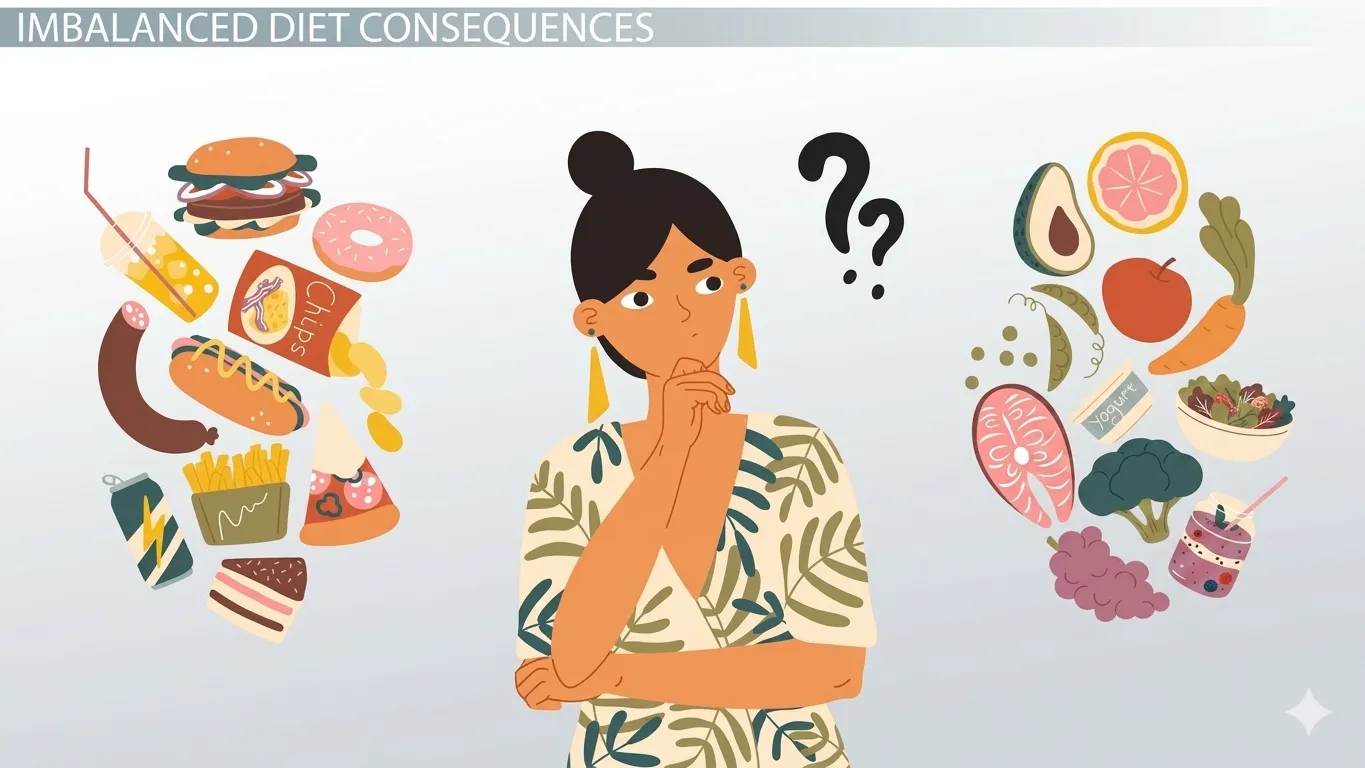
Improving your nutrient intake starts with building a balanced, whole-food diet.
Practical steps:
- Eat a variety of fruits and vegetables
- Prioritize lean protein sources
- Include healthy fats
- Choose whole grains over refined carbs
- Stay hydrated
- Limit ultra-processed foods
- Consider blood work if symptoms persist
Final Thoughts
Your body often gives subtle warning signs when it’s missing essential nutrients—and learning to recognize them can make a major difference in your overall health. Symptoms like fatigue, brittle nails, digestive discomfort, brain fog, or frequent illness may be more than everyday inconvenience; they could be signs that your nutrition needs attention.
By improving your diet and addressing potential deficiencies early, you can support better energy, stronger immunity, improved focus, and long-term wellness. If these symptoms persist, consulting a healthcare professional can help you identify the root cause and create a plan tailored to your needs.
Good nutrition isn’t just about avoiding deficiencies—it’s the foundation of how you feel, function, and thrive every day.