
Stress is an unavoidable part of life—but when stress becomes chronic, your body may produce elevated levels of cortisol, often called the “stress hormone.” While cortisol is essential for regulating blood sugar, blood pressure, metabolism, and the immune response, persistently high cortisol can negatively affect both physical and mental health.
In recent years, social media has popularized terms like “cortisol face” and “cortisol cocktail,” sparking widespread discussion about how stress hormones may influence puffiness, weight gain, fatigue, mood, and skin health. Although many online claims are exaggerated, experts agree that chronically elevated cortisol can impact your body in significant ways.
The good news? Along with sleep, exercise, and stress management, your diet may help support healthier cortisol balance.
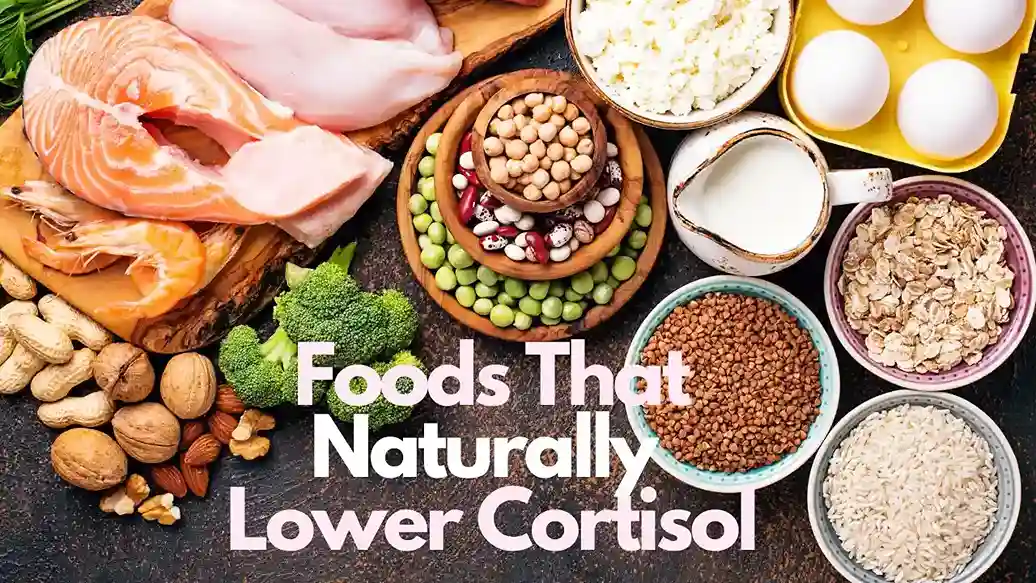
Here are 15 foods that may naturally help lower cortisol levels and support your body’s stress response.
What Is Cortisol and Why Does It Matter?
Cortisol is produced by your adrenal glands in response to stress. It helps your body enter “fight-or-flight” mode during threatening or demanding situations.
Under normal circumstances, cortisol levels rise temporarily and then return to baseline once the stressor passes. But when stress is constant, cortisol may remain elevated longer than it should.
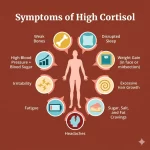
Symptoms Associated With Chronically High Cortisol
High cortisol over time may contribute to:
- Fatigue
- Brain fog
- Sleep problems
- Anxiety or irritability
- Increased abdominal weight gain
- Acne or skin flare-ups
- Sugar cravings
- Weakened immune function
- Digestive issues
Can Food Help Lower Cortisol Naturally?
No single food can instantly “fix” cortisol levels, but research suggests that a balanced diet rich in:
- Omega-3 fatty acids
- Magnesium
- Fiber
- Antioxidants
- Probiotics
- Vitamin C
may help support the nervous system, reduce inflammation, stabilize blood sugar, and improve resilience to stress.
15 Best Foods That Naturally Lower Cortisol Levels
1. Kimchi
This fermented Korean staple is packed with probiotics, beneficial bacteria that support gut health. Because the gut and brain communicate through the gut-brain axis, a healthier microbiome may improve stress resilience and emotional regulation.
How to eat it: Add to rice bowls, eggs, sandwiches, or grain bowls.
2. Whole Grains
Whole grains such as oats, brown rice, quinoa, millet, and whole wheat bread provide complex carbohydrates, which may help regulate cortisol and support serotonin production.
Why it helps: Stable blood sugar can prevent cortisol spikes linked to blood sugar crashes.
3. Greek Yogurt
Greek yogurt contains:
- Protein
- Calcium
- Probiotics
- Lower sugar than many flavored yogurts
Its probiotic content may help balance gut bacteria and support mood regulation.
4. Citrus Fruits
Oranges, lemons, grapefruit, and other citrus fruits are rich in vitamin C, a nutrient associated with reduced oxidative stress and improved stress recovery.
Pro tip: Pair citrus with protein for balanced blood sugar.
5. Bananas
Bananas provide:
- Magnesium
- Potassium
- Vitamin B6
These nutrients support nerve function, serotonin production, and muscle relaxation.
6. Garlic
Garlic contains allicin, a sulfur compound linked to:
- Lower blood pressure
- Better immune function
- Reduced inflammatory stress responses
Some studies suggest aged garlic may support healthier cortisol regulation.
7. Leafy Greens
Spinach, kale, arugula, and Swiss chard are rich in:
- Magnesium
- Folate
- Antioxidants
- Fiber
Folate supports neurotransmitter production, including serotonin and dopamine.
8. Dark Chocolate
Dark chocolate (70% cocoa or higher) contains flavonoids, antioxidants that may reduce stress-related inflammation and blunt cortisol responses.
Moderation matters: Small portions are best.
9. Green Tea
Green tea contains:
- Catechins
- L-theanine
L-theanine may promote calm alertness without the jitters associated with coffee.
10. Salmon
Salmon is one of the best sources of omega-3 fatty acids, which help combat inflammation and may reduce stress hormone responses.
Other good options include:
- Sardines
- Mackerel
- Trout
11. Avocado
Avocados provide:
- Healthy monounsaturated fats
- Magnesium
- Potassium
- Fiber
These nutrients support nervous system function and blood sugar balance.
12. Legumes
Beans, lentils, chickpeas, and peas are rich in:
- Fiber
- Plant protein
- Magnesium
- B vitamins
They help stabilize blood sugar and support digestive health.
13. Berries
Blueberries, strawberries, raspberries, and blackberries are antioxidant-rich fruits that help combat oxidative stress and inflammation.
Easy use: Add to yogurt, oatmeal, smoothies, or salads.
14. Nuts
Almonds, walnuts, cashews, Brazil nuts, and hazelnuts contain:
- Healthy fats
- Magnesium
- B vitamins
- Antioxidants
They make an excellent stress-friendly snack.
15. Eggs
Eggs are rich in:
- High-quality protein
- Choline
- B vitamins
- Selenium
Choline plays a role in brain health and neurotransmitter production.
Bonus: Chia Seeds
Though technically a bonus item, chia seeds deserve mention for their:
- Omega-3 fats
- Fiber
- Magnesium
- Blood sugar-stabilizing effects
Add them to smoothies, yogurt, oatmeal, or chia pudding.
Foods That May Increase Cortisol Levels
If your goal is stress reduction, consider limiting:
- Refined sugar
- Highly processed foods
- Excess caffeine
- Alcohol
- Fried foods
- Excess saturated fat
These may worsen inflammation, disrupt blood sugar, and contribute to elevated cortisol.
Other Ways to Lower Cortisol Naturally
Diet works best when paired with lifestyle habits such as:
Prioritize Sleep
Aim for 7–9 hours of quality sleep nightly.
Exercise Regularly
Moderate exercise can reduce stress, but overtraining may increase cortisol.
Practice Mindfulness
Meditation, deep breathing, and yoga can reduce nervous system activation.
Limit Overstimulation
Reduce excessive screen time and constant multitasking when possible.
Final Thoughts
Cortisol is a necessary hormone—but too much of it for too long can affect everything from mood and energy to digestion
and skin health.
While no food can magically eliminate stress, building your meals around nutrient-dense, anti-inflammatory foods may help support healthier cortisol balance and improve your body’s resilience to stress over time.
Adding more probiotic foods, omega-3s, fiber, magnesium, and antioxidants into your routine is a simple, sustainable way to support both mental and physical wellness.