
Introduction
The link between stress and weight gain is stronger than most people realize. While stress starts in the mind, it quickly affects the body—especially your metabolism, appetite, and fat storage.
If you’ve been struggling with unexplained weight gain during stressful periods, understanding how stress and weight gain work together is the first step to breaking the cycle.
How Stress and Weight Gain Are Connected
1. Cortisol Slows Your Metabolism
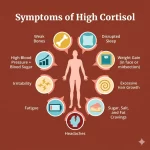
When stress levels rise, your body releases cortisol. This hormone plays a major role in stress and weight gain by:
- Slowing metabolism
- Increasing fat storage
- Making weight loss more difficult
Over time, high cortisol levels can lead to stubborn fat, especially around the belly.
2. Stress Increases Sugar Cravings
One of the biggest drivers of stress and weight gain is intense cravings for sugary and high-fat foods.
Your body seeks quick energy during stress, leading to:
- More snacking
- Higher calorie intake
- Increased fat storage
👉 Internal read: Top Inflammatory Foods That Damage Your Gut
3. Emotional Eating Becomes a Habit
Emotional eating is a key factor linking stress and weight gain.
When stressed, you may:
- Eat without hunger
- Overeat comfort foods
- Snack more frequently
This habit reinforces the cycle of weight gain.
4. Reduced Physical Activity
Stress often reduces motivation to exercise. Less movement means fewer calories burned, which worsens stress and weight gain over time.
5. Poor Sleep Disrupts Hormones
Sleep deprivation increases hunger hormones and cortisol, making stress and weight gain even worse.
Aim for consistent, quality sleep to support weight control.
6. Skipping Meals Leads to Overeating
Skipping meals during stressful days can backfire by causing:
- Blood sugar crashes
- Strong cravings
- Overeating later
The Stress and Weight Gain Cycle
Understanding this cycle is key:
- Stress increases cortisol
- Cortisol increases cravings
- You eat more calories
- Fat storage increases
- Weight gain creates more stress
Breaking this loop is essential for long-term health.
How to Break the Stress and Weight Gain Cycle
1. Prioritize Regular Exercise
Exercise reduces cortisol and directly improves stress and weight gain outcomes.
2. Choose Healthier Comfort Foods
Replace processed snacks with:
- Fruits
- Nuts
- Whole foods
3. Practice Mindful Eating
Mindful eating helps control portions and reduces stress-related overeating.
4. Stay Hydrated
Hydration helps reduce false hunger signals.
5. Manage Stress Daily
Try:
- Meditation
- Walking
- Deep breathing
🔗 DoFollow external resource: https://www.apa.org/topics/stress (American Psychological Association)
6. Track Your Eating Habits
Keeping a food journal improves awareness and helps reduce stress and weight gain behaviors.
Featured Image (SEO Optimized)
Image suggestion: Person stressed while eating junk food
ALT text: stress and weight gain caused by emotional eating
FAQs About Stress and Weight Gain
Can stress and weight gain happen without overeating?
Yes. Hormonal changes like cortisol can slow metabolism and increase fat storage even without major diet changes.
Why does stress cause belly fat?
Cortisol promotes fat storage in the abdominal area, making belly fat more common.
How long does stress-related weight gain last?
It depends on how quickly stress levels and habits improve.
Final Thoughts
The connection between stress and weight gain is both biological and behavioral. The good news is that it’s reversible.
By managing stress, improving habits, and staying consistent, you can regain control of your weight and overall health.