9 Reasons Why You Are Not Losing Weight in a Calorie Deficit (And How to Fix It)

Introduction
The formula seems simple: eat fewer calories and exercise more to lose weight. But if you’re in a calorie deficit and still not losing weight, it can feel frustrating and confusing.
The truth is, weight loss is more complex than just “calories in vs. calories out.” Factors like metabolism, stress, sleep, hormones, and lifestyle habits all play a critical role.
Let’s break down the 9 most common reasons why you’re not losing weight in a calorie deficit—and what you can do to fix it.
How Does a Calorie Deficit Work?
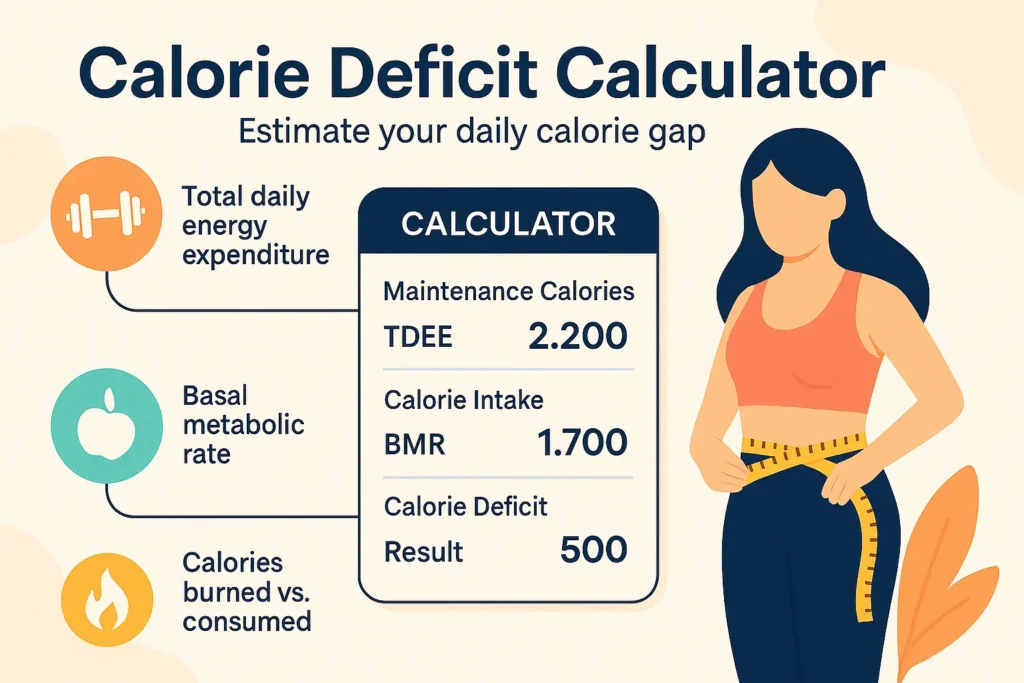
A calorie deficit happens when you consume fewer calories than your body burns (your total daily energy expenditure).
The most effective fat loss strategy combines:
- A balanced, nutrient-dense diet
- Strength training + cardio
- Consistent daily habits
While the concept is simple, execution is where most people struggle.
1. Your Calorie Deficit Isn’t Accurate
One of the biggest reasons for not losing weight is miscalculating calories.
Many people:
- Underestimate portion sizes
- Forget snacks or “cheat meals”
- Ignore liquid calories (coffee, soda, alcohol)
Fix:
Track your food intake using a calorie app or journal. Accuracy is key to maintaining a true calorie deficit.
2. You’ve Hit a Weight Loss Plateau
A weight loss plateau happens when your body adapts to your current routine.
As you lose weight:
- Your metabolism slows down
- You burn fewer calories
- Fat loss becomes harder
Fix:
- Increase workout intensity
- Add strength training
- Slightly reduce calorie intake
3. Water Retention Is Masking Fat Loss
Sometimes you are losing fat—but the scale doesn’t show it due to water retention.
This can happen because:
- Your body holds water in fat cells
- High sodium or carb intake
- Hormonal fluctuations
Fix:
- Stay hydrated
- Maintain a consistent diet
- Be patient—water weight is temporary
4. Poor Sleep Is Slowing Your Progress
Sleep plays a huge role in weight loss.
Lack of sleep can:
- Increase hunger hormones
- Trigger cravings (especially sugar)
- Reduce self-control
Fix:
Aim for 7–9 hours of quality sleep each night to support fat loss and recovery.
5. Hormones and Menstrual Cycle Changes
Hormonal fluctuations can impact:
- Appetite
- Water retention
- Metabolism
Women may notice weight changes during their menstrual cycle or menopause.
Fix:
- Focus on consistency, not daily scale changes
- Include strength training to support metabolism
6. You’re Exercising Too Much
More exercise isn’t always better.
Overtraining can:
- Increase inflammation
- Raise stress hormones
- Lead to muscle loss (slowing metabolism)
Fix:
- Balance cardio + strength training
- Include rest days
- Try low-impact workouts like yoga or Pilates
7. You’re Too Focused on the Scale
The scale doesn’t always reflect fat loss.
You might be:
- Gaining muscle while losing fat
- Retaining water
- Experiencing normal fluctuations
Fix:
Track progress using:
- Body measurements
- Progress photos
- How your clothes fit
8. High Stress Levels Are Affecting Fat Loss
Chronic stress increases cortisol, which can:
- Boost appetite
- Promote fat storage
- Slow metabolism
Fix:
- Practice stress management (meditation, yoga)
- Prioritize mental health
- Avoid emotional eating triggers
9. You Weigh Yourself Inconsistently
Your weight can fluctuate daily due to:
- Food intake
- Water retention
- Time of day
Fix:
Weigh yourself:
- At the same time each day (preferably morning)
- Under the same conditions
Why Am I Gaining Weight in a Calorie Deficit?
If you’re gaining weight despite eating less, it could be due to:
- Inaccurate calorie tracking
- Water retention
- Muscle gain
- Metabolic adaptation
Remember: weight ≠ fat. Your body composition may still be improving.
How Long Does It Take to See Results?
Weight loss typically happens in two phases:
1. Rapid Weight Loss (First 4–6 Weeks)
- Mostly water weight
- Faster visible changes
2. Slower Fat Loss Phase
- More sustainable
- Plateaus are common
Consistency is the key to long-term success.
Tips to Break a Weight Loss Plateau
- Track calories accurately
- Increase protein intake
- Strength train regularly
- Get enough sleep
- Stay hydrated
- Mangea stress
Final Thoughts
If you’re not losing weight in a calorie deficit, it doesn’t mean your efforts are wasted. Your body may simply be adapting or responding to other factors like stress, sleep, or hormones.
Sustainable weight loss is about more than just calories—it’s about building a healthy, balanced lifestyle.
Stay consistent, be patient, and focus on progress—not perfection.