

Electrolyte drinks have become one of the fastest-growing categories in the wellness and fitness market. From gym-goers to casual walkers, many people now reach for sports drinks and hydration powders believing they hydrate better than water and improve performance.
But are electrolyte drinks truly beneficial for everyone—or are they just another health trend driven by marketing?
The truth is that electrolyte drinks can be extremely useful in specific situations, but for many healthy adults, they may offer little advantage over plain water while adding unnecessary sugar, sodium, and calories.
This complete guide explores what electrolyte drinks are, how they work, their benefits, risks, who actually needs them, and whether they deserve a place in your daily routine.

What Are Electrolyte Drinks?
Electrolyte drinks are beverages formulated to replace essential minerals lost through sweat, urine, vomiting, diarrhea, or dehydration. These minerals—called electrolytes—carry an electrical charge when dissolved in water and are critical for normal bodily function.
Most electrolyte drinks contain:
- Water
- Sodium
- Potassium
- Magnesium
- Calcium
- Chloride
- Sugar or glucose
- Flavorings and additives
Some sports drinks also include:
- Caffeine
- B vitamins
- Artificial sweeteners
- Performance enhancers
Their main purpose is to replenish fluids and restore mineral balance faster than water alone during heavy fluid loss.
Why Electrolytes Matter for Your Body
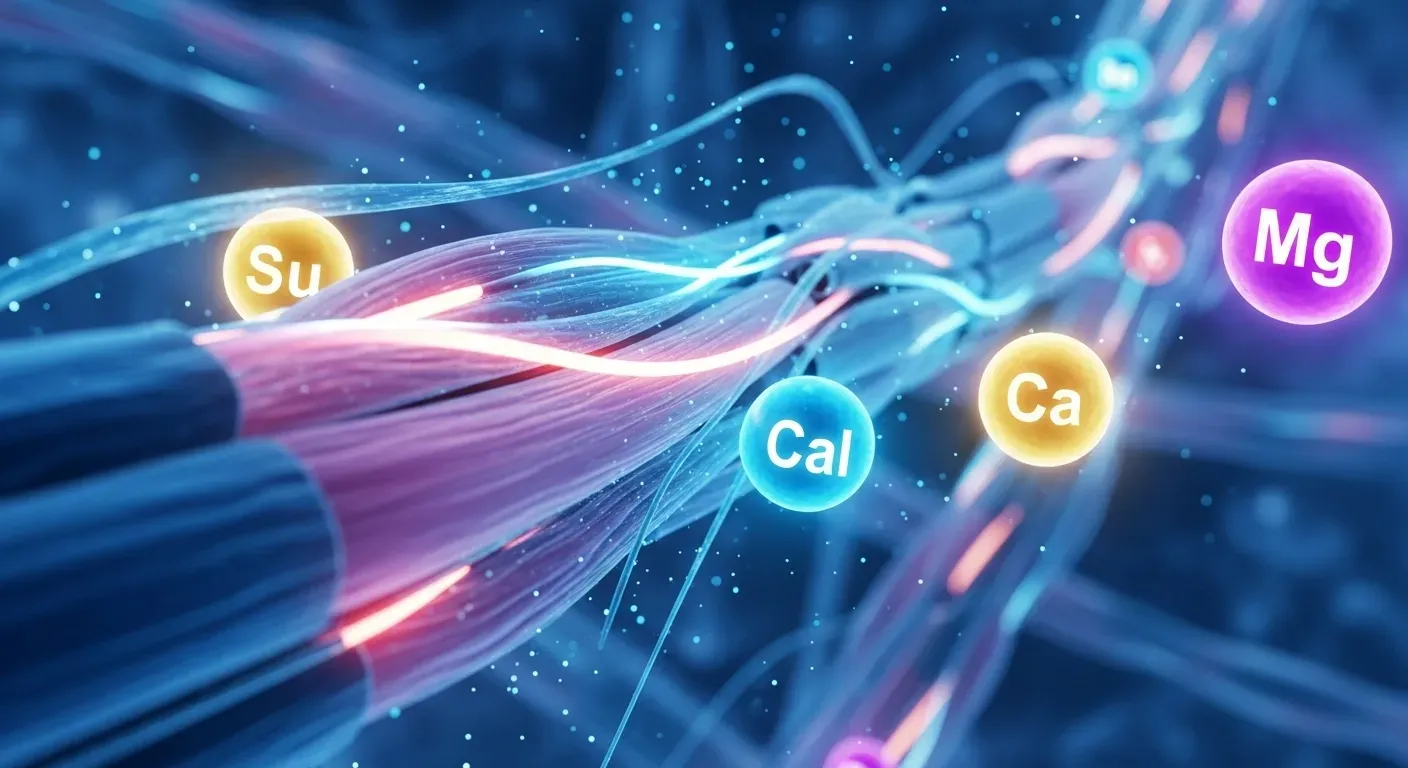
Electrolytes are essential for maintaining nearly every automatic process in the body. They help regulate:
Muscle Function
Electrolytes allow muscles to contract and relax properly. Imbalances can lead to cramps, weakness, or spasms.
Hydration and Fluid Balance
Electrolytes control how much water stays inside and outside your cells.
Heart Rhythm
Minerals like potassium, calcium, and sodium help regulate heartbeat.
Nerve Signaling
Electrolytes enable communication between nerves and muscles.
Blood Pressure Regulation
Sodium and potassium influence vascular function and blood pressure.
Without proper electrolyte balance, even mild dehydration can impair physical and cognitive performance.
Are Electrolyte Drinks Better Than Water?
A common question is: Are electrolyte drinks better than water?
The answer depends entirely on your circumstances.
Electrolyte Drinks May Be Better Than Water If:
- You exercise intensely for more than 60–90 minutes
- You sweat heavily in hot weather
- You are recovering from vomiting or diarrhea
- You have a medical condition causing fluid/electrolyte loss
- You participate in endurance sports
Water Is Usually Better If:
- Your workout is under one hour
- Your activity is low to moderate intensity
- You are simply trying to stay hydrated during the day
- You eat a balanced diet
For the average person, water is sufficient for hydration.
Natural Food Sources of Electrolytes
Before buying expensive hydration powders, remember that many foods naturally provide electrolytes.
Potassium-Rich Foods
- Bananas
- Sweet potatoes
- Avocados
- Oranges
- Coconut water
Sodium Sources
- Broths
- Pickled vegetables
- Salted nuts
Magnesium Sources
- Pumpkin seeds
- Almonds
- Spinach
- Dark chocolate
Calcium Sources
- Milk
- Yogurt
- Cheese
- Fortified plant milks
A healthy diet typically provides adequate electrolytes without supplementation.
Benefits of Electrolyte Drinks
When used appropriately, electrolyte drinks can provide several benefits.
1. Help Prevent Dehydration During Intense Exercise
Long workouts, endurance events, and hot climates increase sweat loss. Electrolyte drinks can replace both water and sodium lost through sweat.
2. Support Athletic Performance
Proper hydration and electrolyte balance can improve:
- Endurance
- Muscle function
- Stamina
- Recovery time
3. Aid Recovery From Illness
Electrolyte drinks may help during:
- Stomach flu
- Food poisoning
- Severe diarrhea
- Vomiting
- Fever-related dehydration
4. May Reduce Muscle Cramps in Some Situations
If cramps are related to sodium depletion or dehydration, electrolyte replacement may help.
Risks and Downsides of Electrolyte Drinks
Despite the benefits, electrolyte drinks are not automatically healthy.
High Sugar Content
Many sports drinks contain large amounts of added sugar.
Too much sugar can contribute to:
- Weight gain
- Insulin resistance
- Blood sugar spikes
- Increased diabetes risk
Excess Sodium Intake
Many hydration drinks are very high in sodium.
Excess sodium may increase risk for:
- High blood pressure
- Fluid retention
- Kidney stress
Hidden Calories
Frequent use can add hundreds of extra calories weekly.
Artificial Additives
Some electrolyte drinks include:
- Artificial dyes
- Preservatives
- Synthetic sweeteners
- Excess caffeine
Who Actually Needs Electrolyte Drinks?
Electrolyte drinks may be beneficial for:
Endurance Athletes
Runners, cyclists, swimmers, triathletes, and team sport athletes.
Heavy Sweaters
People who lose unusually large amounts of sodium during exercise.
Hot Climate Workers
Construction workers, landscapers, outdoor laborers.
Ill Individuals
Those experiencing dehydration from illness.
People With Certain Medical Conditions
Including:
- POTS
- Inflammatory bowel disease
- Malabsorption disorders
- Chronic diarrhea disorders
Signs of Electrolyte Imbalance
Electrolyte deficiency can cause:
- Muscle cramps
- Fatigue
- Weakness
- Dizziness
- Headaches
- Nausea
- Brain fog
- Irregular heartbeat
- Confusion
Persistent symptoms warrant medical attention.
Homemade Electrolyte Drink Recipe
Want a healthier, cheaper alternative?
DIY Homemade Electrolyte Drink
Ingredients:
- 3½ cups water
- ½ teaspoon sea salt
- 2–3 tablespoons honey or maple syrup
- 4 ounces orange juice or coconut water
Instructions:
- Mix ingredients thoroughly.
- Chill before serving.
- Store refrigerated up to 24 hours.
This homemade electrolyte drink provides sodium, potassium, glucose, and hydration without artificial ingredients.
How to Choose the Best Electrolyte Drink
When buying commercial electrolyte drinks, look for options with:
Better Choices
- Under 10g sugar per serving
- Moderate sodium (300–700mg depending on need)
- Minimal artificial ingredients
- No unnecessary stimulants
Avoid Products With
- Excessive sugar
- Artificial dyes
- Large caffeine doses
- Proprietary blends with unclear ingredients
Final Verdict: Are Electrolyte Drinks Worth It?
Electrolyte drinks can be useful tools—but they are not necessary for everyone.
If you are an athlete, experience heavy fluid loss, or have increased electrolyte needs, they may support hydration and recovery.
However, for most healthy adults:
Water + a balanced diet provide everything needed for proper hydration.
Drinking electrolyte beverages daily without need may lead to unnecessary sugar, sodium, and calorie intake.
Frequently Asked Questions About Electrolyte Drinks
Can I Drink Electrolyte Drinks Every Day?
Yes, but daily use is unnecessary for most people unless you have increased hydration demands.
Are Electrolyte Drinks Good for Weight Loss?
Not directly. Many contain sugar and calories that may hinder weight loss if overconsumed.
Is Coconut Water Better Than Sports Drinks?
Coconut water is a natural source of potassium but often lower in sodium than traditional sports drinks.
Conclusion
Electrolyte drinks can support hydration, athletic performance, and recovery during periods of significant fluid loss. But despite their popularity, they are not inherently healthier than water for the average person.
Understanding when to use electrolyte drinks—and when not to—can help you hydrate smarter, avoid excess sugar and sodium, and make better choices for your health.