
Feeling tired after a big meal is something most people experience. This condition, often called a food coma, is medically known as postprandial somnolence. It can leave you feeling sluggish, unfocused, and low on energy.
While occasional post-meal fatigue is normal, frequent episodes may indicate issues with your diet, digestion, or blood sugar balance.
What Is Post-Meal Sleepiness?
A food coma refers to temporary drowsiness after eating. It usually starts within 30 minutes to 2 hours after a meal and fades gradually.
Large meals—especially those high in refined carbohydrates—are the most common cause of sleepiness after eating.
Common Symptoms After Eating
Post-meal fatigue can show up as:
- Low energy levels
- Brain fog
- Reduced concentration
- Sluggish digestion
These symptoms are often linked to blood sugar spikes and digestive workload.
Why Do You Feel Sleepy After Eating?
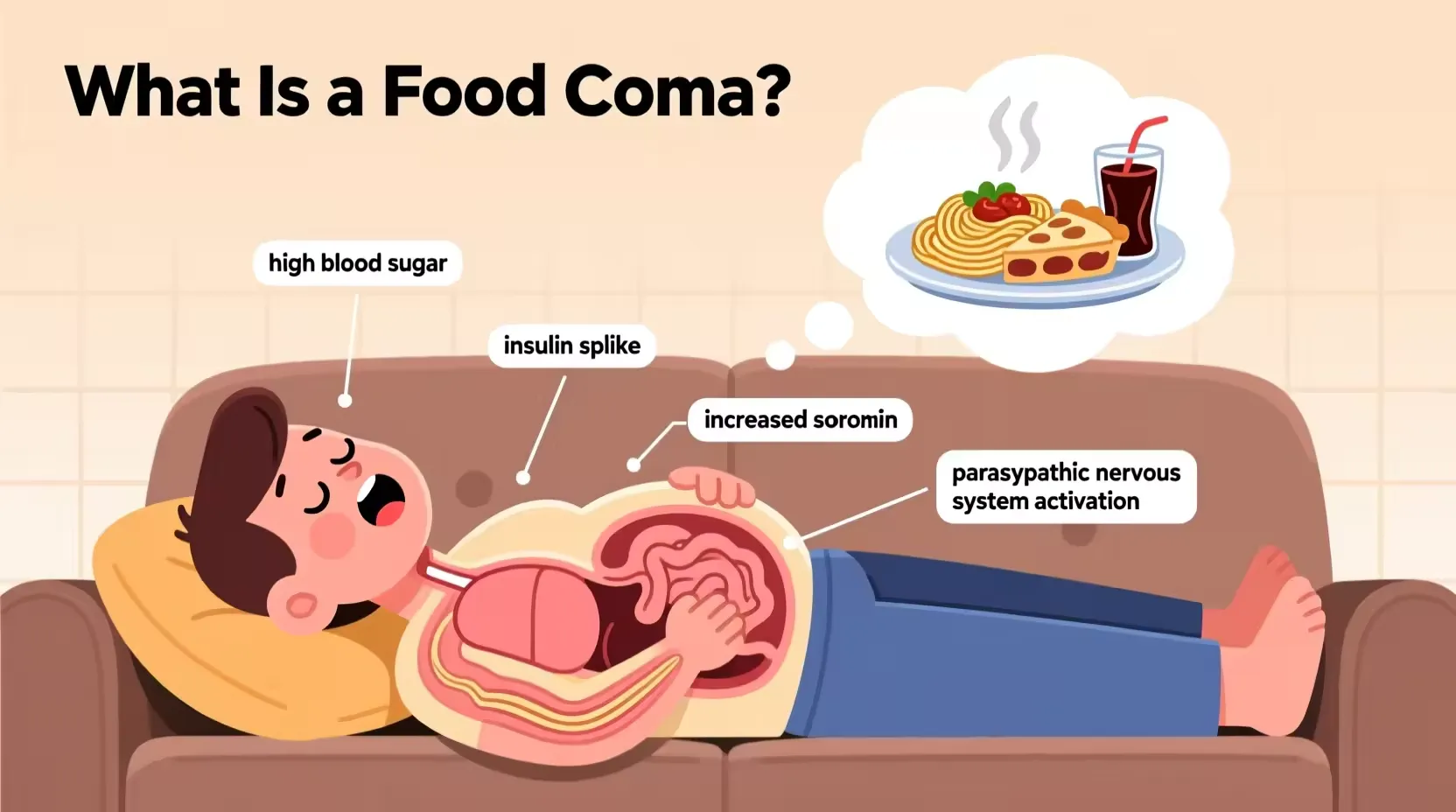
1. Digestion Uses Energy
After eating, your body shifts blood flow to the digestive system. This can reduce alertness and lead to fatigue.
2. Hormonal Changes
The gut releases serotonin, which promotes relaxation and contributes to drowsiness.
3. Blood Sugar Fluctuations
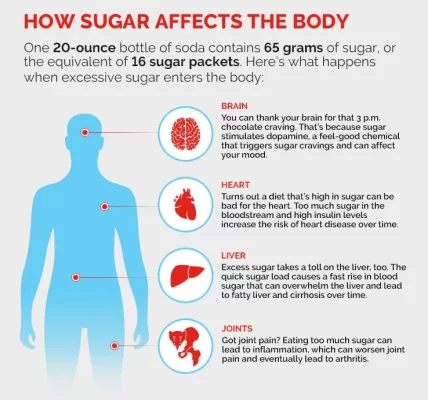
Refined carbs and sugar can cause rapid spikes and crashes in blood glucose, leading to an energy dip.
4. Circadian Rhythm
Your body naturally experiences an afternoon energy drop, which can make symptoms worse.
Who Is at Risk of Strong Fatigue After Meals?
You may feel more tired after eating if you:
- Don’t get enough sleep
- Eat large portions frequently
- Consume high amounts of processed foods
- Have insulin resistance or metabolic issues
How Long Does It Last?
Post-meal drowsiness typically lasts 2–4 hours, depending on:
- Meal size
- Food composition
- Your metabolism
How to Recover Quickly
If you feel sleepy after eating, try:
Take a Short Walk
Light movement helps digestion and improves energy.
Drink More Water
Hydration supports metabolism and reduces fatigue.
Take a Short Nap
A 15–20 minute nap can restore focus.
7 Ways to Prevent Post-Meal Fatigue
1. Eat Smaller Portions
Large meals are the main trigger of fatigue.
2. Balance Your Meals
Include protein, fiber, and healthy fats to stabilize energy.
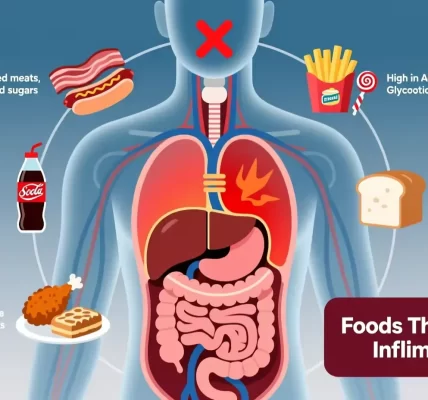
3. Avoid Processed Foods
Highly processed meals can worsen digestion and energy crashes.
👉 Internal link: Top Inflammatory Foods That Silently Damage Your Gut
4. Support Gut Health
A healthy gut helps regulate energy and digestion.
👉 Internal link: Signs Your Gut Microbiome Is Unhealthy
5. Limit Sugar Intake
Too much sugar leads to rapid energy spikes and crashes.
6. Stay Active
Regular movement improves digestion and energy levels.
7. Improve Sleep Quality
Poor sleep makes daytime fatigue worse.
When to See a Doctor
You should seek medical advice if:
- Fatigue happens after every meal
- Symptoms are severe or worsening
- You feel dizzy or confused
These could be signs of underlying conditions like blood sugar imbalance.
Is It Dangerous?
In most cases, post-meal drowsiness is harmless. However, avoid driving or operating machinery if you feel too sleepy.
Best Diet for Stable Energy
To reduce fatigue after eating, focus on:
- Whole grains
- Vegetables and fruits
- Lean proteins
- Healthy fats
This helps maintain steady energy levels throughout the day.
Conclusion
Feeling sleepy after eating is normal, but it shouldn’t disrupt your daily life. By improving your diet, portion control, and lifestyle habits, you can reduce fatigue and stay energized.