
Introduction
Feeling tired after eating is something most people experience occasionally. After a big meal, it’s normal to feel relaxed or even a bit sleepy. However, if you feel extremely tired after eating every time, it could signal something deeper.
From digestion to underlying health conditions, several factors can explain why you feel tired after eating. Understanding these causes can help you take the right steps to improve your energy levels.

1. Your Body Is Busy Digesting Food
One of the most common reasons you feel tired after eating is digestion itself.
When you eat, your body redirects blood flow to the digestive system. This can temporarily reduce blood flow to the brain, making you feel sleepy.
In addition, your gut releases serotonin, a hormone that promotes relaxation.
What to do
- Accept mild sleepiness as normal
- Seek medical advice if fatigue feels extreme
2. You Eat Too Many Carbs and Protein
Meals high in carbohydrates and protein can make you feel more tired after eating.
These foods trigger hormone responses that promote sleepiness, especially when consumed in large amounts.
What to do
- Eat smaller portions
- Choose complex carbs and fiber-rich foods
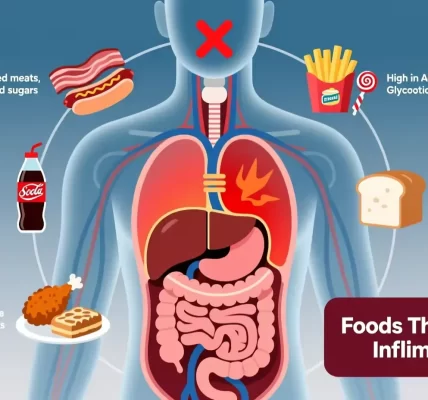
👉 Related: Top Inflammatory Foods That Damage Gut Health Fast
3. Blood Sugar Imbalance (Diabetes)
If you often feel extremely tired after eating, it may be linked to blood sugar issues.
When blood sugar spikes and crashes, energy levels drop quickly.
What to do
- Get your blood sugar tested
- Follow a balanced diet
4. Celiac Disease or Gluten Sensitivity
People with gluten intolerance may feel tired after eating foods containing gluten.
This happens because the body struggles to absorb nutrients properly.
What to do
- Get tested for gluten sensitivity
- Try a gluten-free diet if needed
5. Digestive Conditions (SIBO)
Small Intestinal Bacterial Overgrowth (SIBO) can cause fatigue, especially if you feel tired after eating regularly.
This condition affects nutrient absorption and gut balance.
What to do
- Consult a healthcare provider
- Consider dietary changes like low-FODMAP
6. Eating Large Portions
Overeating is a major reason people feel tired after eating.
Large meals require more energy to digest, leading to fatigue.
What to do
- Eat smaller, more frequent meals
- Avoid heavy meals late in the day
7. Food Allergies or Sensitivities
If you feel tired after eating certain foods, your immune system may be reacting.
Common triggers include:
- Dairy
- Gluten
- Nuts
- Soy
What to do
- Track your meals
- Identify trigger foods
8. Lack of Sleep
Sometimes the simplest explanation is the right one—you’re already tired.
If you’re sleep-deprived, you’re more likely to feel tired after eating.
What to do
- Aim for 7–9 hours of sleep
- Improve sleep quality
👉 Internal guide: How Sugar Affects Gut Health and the Microbiome
When to See a Doctor
You should seek medical advice if:
- You always feel extremely tired after eating
- Fatigue interferes with daily life
- You have other symptoms (weight loss, pain, etc.)
How to Boost Energy After Meals
To avoid feeling tired after eating, try:
- Eating balanced meals (protein + fiber + healthy fats)
- Staying hydrated
- Walking after meals
- Reducing sugar and processed foods
👉 Related: Probiotics and Prebiotics: What Really Matters for Gut Health
Conclusion
Feeling tired after eating can be normal—but it shouldn’t be overwhelming or constant.
By adjusting your diet, portion sizes, and lifestyle habits, you can reduce fatigue and maintain steady energy throughout the day.
FAQ
Is it normal to feel tired after eating?
Yes, mild fatigue is normal due to digestion and hormone release.
Why do I feel extremely tired after eating?
It could be due to large meals, blood sugar spikes, or underlying conditions.
How can I stop feeling tired after meals?
Eat smaller portions, balance nutrients, and get enough sleep.