
Introduction
You may not notice it right away—bloating after meals, low energy, or skin breakouts that won’t go away. These subtle symptoms are often linked to something many people overlook: inflammatory foods in your daily diet.
Over time, inflammatory foods can irritate your gut lining, disrupt digestion, and affect both your physical and mental health. The damage is slow but cumulative.
In this guide, you’ll learn which inflammatory foods to avoid, how they affect your gut, and simple swaps to support better gut health.
Why Gut Inflammation Matters
Inflammation is a natural defense mechanism, but chronic gut inflammation is a different story. When you regularly consume inflammatory foods, your gut lining becomes weakened.
This can lead to:
- Increased gut permeability (leaky gut)
- Poor nutrient absorption
- Imbalanced gut bacteria
- Ongoing digestive issues
👉 Related: Read more about gut health:
Signs Your Gut Microbiome Is Unhealthy (And How to Fix It)
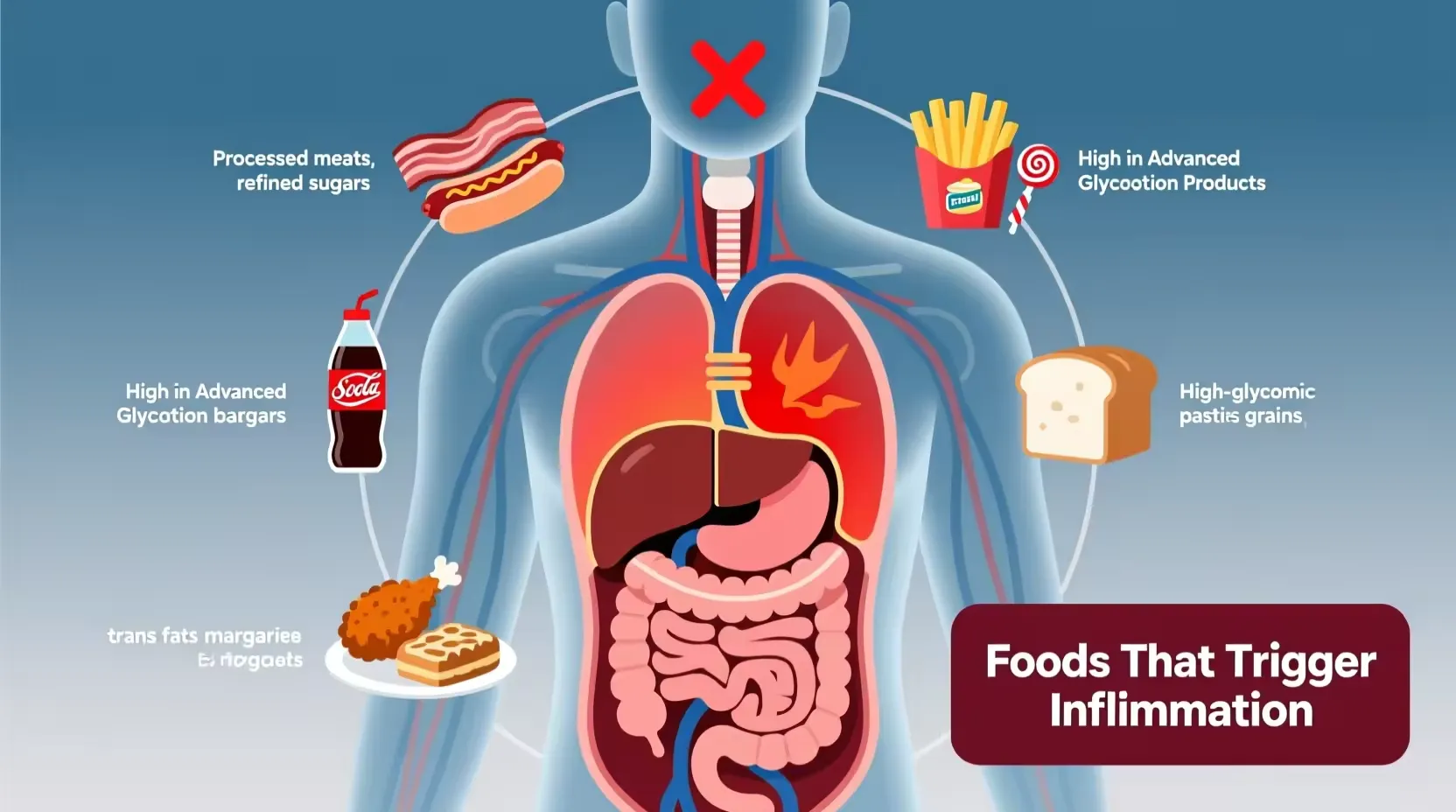
Top Inflammatory Foods to Avoid
1. Refined Sugar
Refined sugar is one of the most common inflammatory foods affecting gut health.
- Feeds harmful bacteria
- Disrupts microbiome balance
- Increases inflammation
Better alternative: fruits, raw honey, or dates
2. Artificial Sweeteners
Many sugar substitutes are hidden inflammatory foods that negatively impact gut bacteria.
- Reduce beneficial microbes
- Increase sugar cravings
- Affect blood sugar balance
Better alternative: small amounts of stevia or no added sweeteners
3. Industrial Seed Oils
Highly processed oils are major inflammatory foods due to excess omega-6 fatty acids.
- Promote inflammation
- Damage gut lining
- Found in processed foods
Better alternative: olive oil, avocado oil, coconut oil
4. Refined Carbohydrates
White bread and processed grains act as fast-digesting inflammatory foods.
- Spike blood sugar
- Lack fiber
- Disrupt digestion
Better alternative: whole grains like oats, quinoa, brown rice
5. Conventional Dairy
For many people, dairy can behave like inflammatory foods.
- Hard to digest
- May irritate gut lining
- Trigger inflammation
Better alternative: plant-based milk or goat/sheep dairy
6. Processed and Red Meats
Processed meats are well-known inflammatory foods.
- Contain preservatives and additives
- Alter gut microbiome
- Increase digestive stress
Better alternative: fish, legumes, lean protein
7. Alcohol
Alcohol acts as a strong inflammatory food for the digestive system.
- Damages gut lining
- Disrupts gut bacteria
- Increases permeability
Better alternative: herbal teas, kombucha, infused water
What Happens If You Keep Eating These Foods?
Regular consumption of inflammatory foods creates a domino effect in your body.
Over time, you may experience:
- Bloating and digestive discomfort
- Fatigue and low energy
- Brain fog
- Skin issues
- Mood swings
👉 Internal guide: 15 Best Foods for Better Digestion
Chronic exposure to inflammatory foods can also contribute to conditions like IBS and metabolic disorders.
Signs Your Gut May Be Inflamed
Your body sends signals when inflammatory foods are affecting your gut:
- Frequent bloating or gas
- Irregular digestion
- Persistent fatigue
- Skin flare-ups
- Food sensitivities
👉 Learn more: Gut Microbiome Diet: 7-Day Meal Plan for Better Digestion
How to Heal Your Gut Naturally
1. Add Fiber-Rich Foods
Fiber helps counter the effects of inflammatory foods.
- Vegetables
- Fruits
- Whole grains
- Legumes
2. Eat Fermented Foods
Fermented foods restore balance after consuming inflammatory foods.
- Yogurt
- Kimchi
- Sauerkraut
- Kefir
3. Stay Hydrated
Water supports digestion and helps reduce inflammation caused by inflammatory foods.
4. Manage Stress
Stress worsens the impact of inflammatory foods on your gut.
5. Consider Probiotics
Probiotics can help rebalance your gut after long-term exposure to inflammatory foods.
Conclusion
Your gut health is directly influenced by what you eat every day. While inflammatory foods may seem harmless in the short term, their long-term effects can disrupt digestion, energy, and overall health.
By reducing inflammatory foods and choosing gut-friendly alternatives, you can restore balance and feel better from the inside out.
FAQ
What are inflammatory foods?
Inflammatory foods are foods that trigger chronic inflammation in the body and negatively affect gut health.
Can inflammatory foods cause gut problems?
Yes, regular consumption of inflammatory foods can damage the gut lining and disrupt digestion.
How do I reduce gut inflammation?
Avoid inflammatory foods, eat whole foods, add fiber, and support your gut with probiotics.