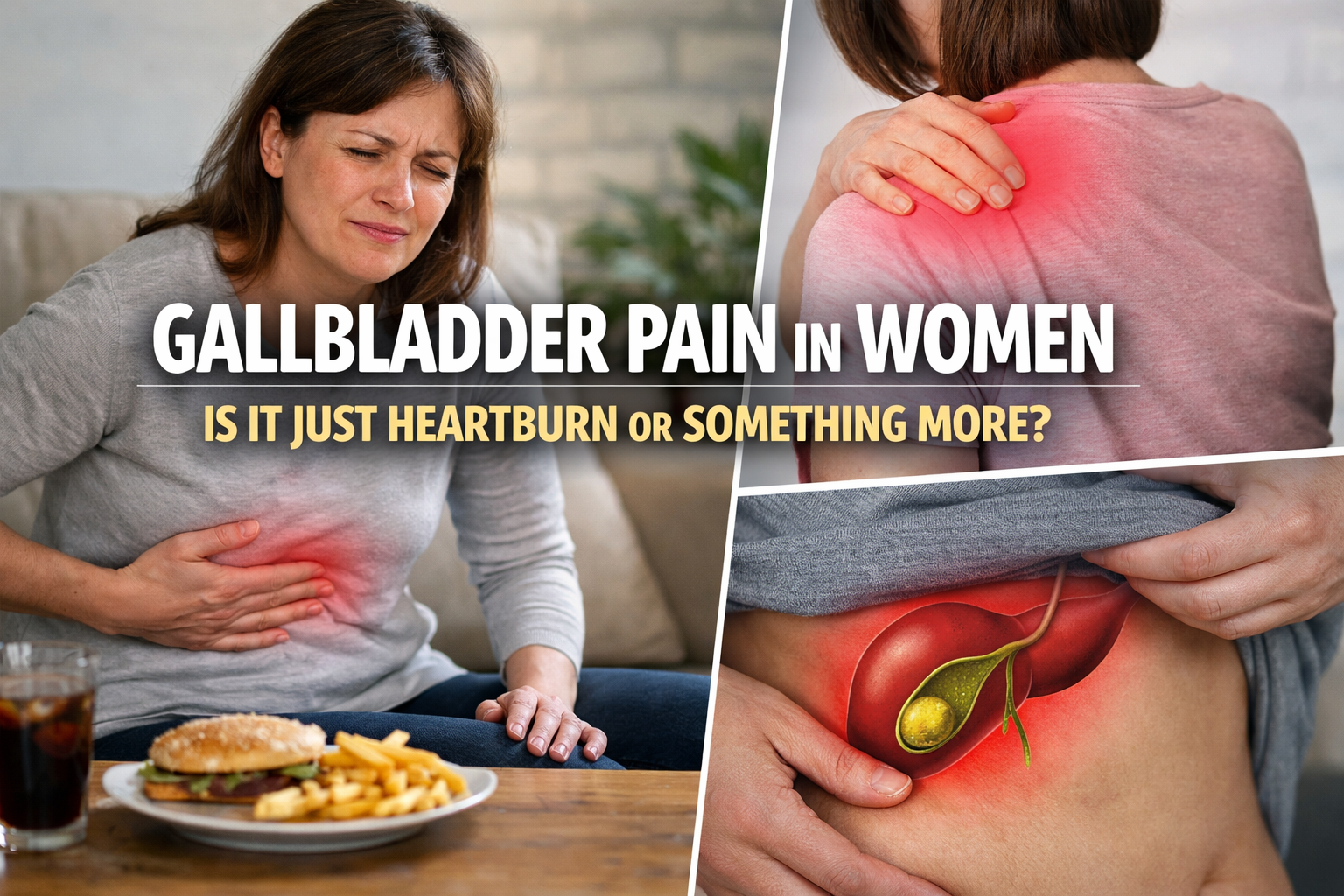


You’re doing everything right—eating more vegetables, choosing whole grains, cutting sugar, and increasing fiber. So why does your gut feel worse after eating healthy?
If you’ve noticed bloating, gas, or digestive discomfort after switching to a cleaner diet, you’re not alone. This common issue is often misunderstood. The truth is, your gut health isn’t getting worse—your body is simply adjusting.
A sudden shift in diet can temporarily disrupt your gut microbiome, leading to uncomfortable symptoms. The key is understanding why this happens and how to support your digestive health the right way.

Why Healthy Foods Can Cause Bloating and Gut Issues
Even the healthiest foods can trigger gut issues if introduced too quickly. The main culprits are fiber, sodium, and protein—essential nutrients that can cause discomfort when not balanced properly.
1. Fiber Overload and Gut Imbalance
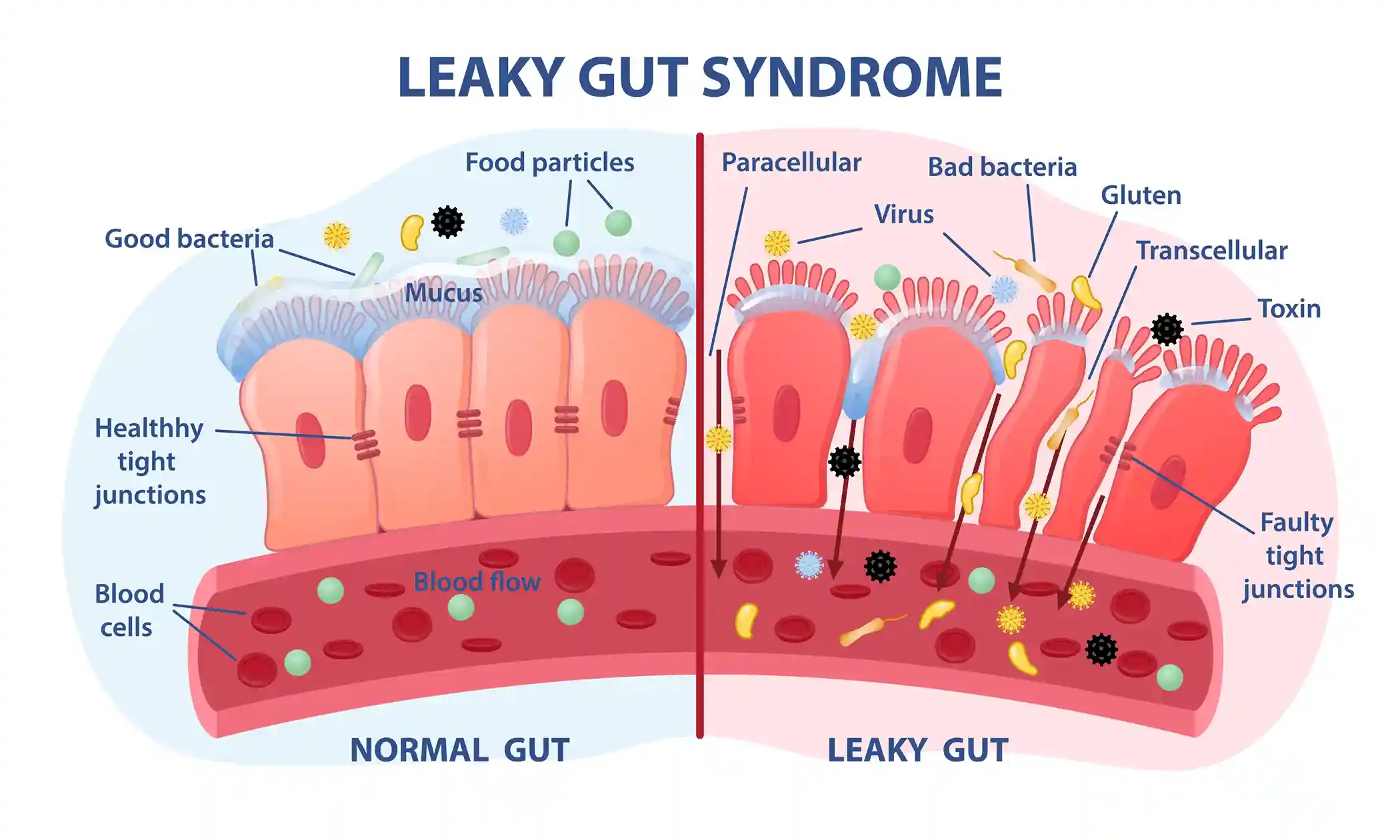
Fiber is one of the most important nutrients for gut health, but increasing it too fast can overwhelm your digestive system.
When you suddenly add high-fiber foods like:
- Lentils
- Whole grains
- Raw vegetables
- Smoothies
Your gut microbiome may not be ready to process them efficiently.
Fiber feeds beneficial gut bacteria, but this process creates gas through fermentation. If your gut isn’t adapted, this can lead to:
- Bloating
- Gas buildup
- Abdominal discomfort
The good news? This is temporary. As your gut bacteria adjust, symptoms usually improve within a few weeks.
👉 How to fix it:
- Increase fiber gradually (3–5g per day)
- Focus on soluble fiber (oats, chia seeds, sweet potatoes)
- Stay hydrated to support digestion
2. Hidden Sodium in “Healthy” Foods
Switching to a clean diet doesn’t always mean lower sodium intake. Many “healthy” foods still contain hidden salt.
Examples include:
- Packaged soups
- Broths
- Sauces
- Protein snacks
High sodium levels can cause water retention in the digestive tract, leading to:
- Bloating
- A feeling of fullness
- Gut discomfort
👉 How to fix it:
- Check food labels for sodium content
- Balance with potassium-rich foods
- Drink enough water to support gut health naturally
3. Protein and Digestive Slowdown
Protein is essential, but it can be harder to digest—especially when combined with high fiber.
When you increase protein intake from:
- Beans and lentils
- Lean meats
- Protein shakes or bars
Your digestion may slow down, causing:
- Gas buildup
- Sluggish digestion
- Increased bloating
Plant-based proteins are particularly challenging because they contain both fiber and fermentable compounds.
👉 How to fix it:
- Pair protein with cooked vegetables
- Avoid combining too much fiber and protein in one meal
- Introduce protein gradually
Healthy Food Swaps That May Backfire
Some common healthy swaps can actually worsen bloating after eating healthy:
- Raw vegetables instead of cooked → harder to digest
- Legumes instead of meat → high fermentation
- Artificial sweeteners (erythritol, xylitol) → gut irritation
These foods are healthy—but timing and preparation matter for optimal digestive health.
Signs Your Gut Needs a Slower Transition
If you notice these symptoms, your gut health may need a gentler approach:
- Bloating after meals
- Excess gas (especially later in the day)
- Irregular bowel movements
- Tight or swollen stomach
These signs don’t mean your diet is bad—they mean your gut microbiome needs time to adapt.
What to Do Instead: Smart Gut Health Strategies
1. Cook Your Vegetables
Cooking helps break down fibers, making them easier for your digestive system to handle.
2. Increase Fiber Gradually
Avoid sudden spikes in fiber intake. Slow increases help your gut bacteria adjust smoothly.
3. Stay Hydrated
Water is essential for moving fiber through your digestive system and supporting healthy digestion.
4. Watch Food Combining
Avoid combining multiple hard-to-digest foods (like beans + raw vegetables) in one meal.
5. Add Fermented Foods
Fermented foods help balance your gut microbiome and improve digestion.
Try:
- Yogurt
- Kefir
- Kimchi
- Sauerkraut
❓ FAQs About Gut Health and Bloating
Why does my gut feel worse after eating healthy?
Because your gut health and gut microbiome need time to adjust to new foods.
How long does it take to improve gut health?https://www.bbc.co.uk/food/articles/gut_bacteria
Most people notice improvement in gut health within 2–4 weeks.
How can I reduce bloating fast?
Focus on hydration, reduce fiber temporarily, and support your digestive health.
Final Thoughts
Experiencing gut issues after eating healthy doesn’t mean something is wrong—it often means your body is adapting.
Improving gut health takes time. Whether it’s fiber overload, increased protein, or hidden sodium, your digestive system needs a gradual transition.
Instead of giving up, adjust your approach:
- Slow down dietary changes
- Support your gut microbiome
- Focus on balance and consistency
With the right strategy, your digestive health will improve—and your body will feel better than ever.