
Your gut microbiome is home to trillions of microorganisms that do far more than digest food. When this delicate ecosystem falls out of balance, it can affect everything—from your energy levels and skin to your immune system and mental health.
If you’ve been experiencing unexplained symptoms like bloating, fatigue, or mood swings, your gut could be trying to tell you something.
Let’s explore the key signs of an unhealthy gut microbiome and the most effective ways to fix it.
Key Takeaways
- Gut imbalance (dysbiosis) can cause digestive issues, fatigue, skin problems, and frequent illness
- Your gut directly impacts immunity, weight, mood, and even sleep
- Simple lifestyle and diet changes can restore gut health within weeks
What Is the Gut Microbiome?
The gut microbiome refers to the vast community of bacteria, viruses, fungi, and other microbes living in your digestive tract.
- Over 1,000 species of bacteria live in your gut
- It weighs around 2–3 pounds
- Each person’s microbiome is unique
A healthy gut depends on diversity and balance—especially maintaining more beneficial bacteria than harmful ones.
Why Gut Health Matters
Your gut is deeply connected to nearly every system in your body:
- Produces up to 95% of serotonin (affects mood and sleep)
- Supports immune system function
- Regulates metabolism and weight
- Influences skin health and inflammation
When your gut microbiome is imbalanced, it can lead to chronic inflammation and increase the risk of diseases like diabetes and heart disease.
Top Signs Your Gut Microbiome Is Unhealthy
1. Digestive Issues (Bloating, Gas, Discomfort)
Frequent bloating, gas, or stomach pain are early warning signs.
- Food isn’t properly broken down
- Excess fermentation causes gas buildup
- Discomfort often appears after eating
2. Irregular Bowel Movements
Your gut bacteria help regulate digestion.
- Constipation (less than 3 times/week)
- Diarrhea or loose stools
- Alternating patterns (possible IBS)
3. Frequent Heartburn or Acid Reflux
An imbalanced gut can slow digestion, increasing pressure in the stomach and causing acid reflux.
4. Skin Problems (Acne, Eczema, Rosacea)
The gut-skin connection means inflammation in your gut often shows up on your skin.
- Persistent acne
- Redness or irritation
- Chronic skin conditions
5. Unexplained Weight Changes
Gut bacteria influence metabolism and fat storage.
- Sudden weight gain
- Difficulty losing weight
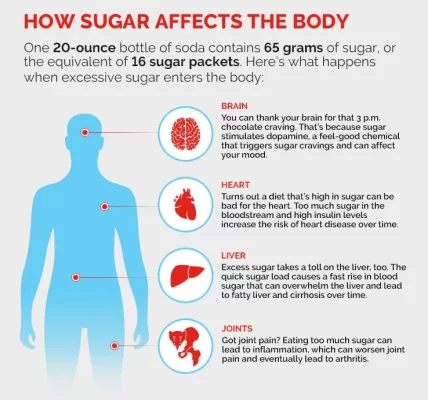
- Increased sugar cravings
6. Constant Fatigue and Poor Sleep
Since the gut produces serotonin, imbalance can disrupt:
- Sleep quality
- Energy levels
- Recovery
7. Weak Immune System
About 70% of your immune system resides in your gut.
Signs include:
- Getting sick often
- Slow recovery
- Frequent infections
8. Mood Swings, Anxiety, or Depression
The gut-brain axis links your gut directly to mental health.
- Irritability
- Brain fog
- Anxiety or low mood
9. Food Intolerances
If you suddenly can’t tolerate certain foods, your gut may be struggling.
- Bloating after meals
- Sensitivity to dairy or gluten
- Fatigue after eating
What Causes an Unhealthy Gut?
1. Poor Diet
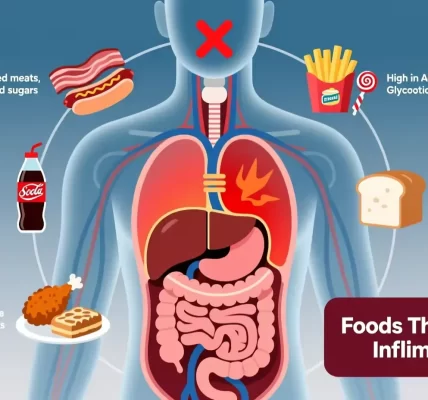
- High sugar intake
- Ultra-processed foods
- Low fiber consumption
2. Antibiotics & Medications
- Kill both good and bad bacteria
- Reduce microbiome diversity
3. Chronic Stress
- Increases cortisol
- Damages gut lining
4. Lack of Sleep
- Disrupts bacterial balance
- Increases inflammation
How to Fix Your Gut Microbiome Naturally
1. Eat Gut-Friendly Foods
Focus on whole, nutrient-dense foods:
- Fiber-rich foods: vegetables, fruits, whole grains
- Healthy fats: olive oil, nuts, seeds
- Antioxidants: berries
2. Add Probiotics and Prebiotics
Probiotics (good bacteria):
- Yogurt
- Kefir
- Kimchi
- Sauerkraut
Prebiotics (food for bacteria):
- Garlic
- Onions
- Bananas
- Asparagus
3. Reduce Sugar and Processed Foods
Cutting down sugar helps prevent harmful bacteria from thriving.
4. Manage Stress
Try:
- Meditation
- Deep breathing
- Yoga
5. Improve Sleep Quality
Aim for 7–9 hours per night to support gut repair and hormone balance.
6. Exercise Regularly
Physical activity boosts microbial diversity and reduces inflammation.
7. Consider Supplements
- Probiotics
- Digestive enzymes
- Omega-3 fatty acids
- L-glutamine
How Long Does It Take to Heal Your Gut?
With consistent habits, many people notice improvements in:
- 1–2 weeks: reduced bloating and better digestion
- 3–4 weeks: improved energy and mood
- 6–8 weeks: stronger immunity and overall health
Final Thoughts
Your gut microbiome is at the core of your health. When it’s out of balance, your entire body feels the effects—but the good news is that you can restore it naturally.
By making simple changes to your diet and lifestyle, you can improve digestion, boost your immune system, and feel better both physically and mentally.
FAQ
What are the first signs of poor gut health?
Bloating, gas, irregular bowel movements, and fatigue are the most common early symptoms.
Can gut health affect mental health?
Yes. The gut produces most of your serotonin, which directly impacts mood and sleep.
What is the fastest way to improve gut health?
Eat more fiber, add probiotic foods, reduce sugar, and manage stress.